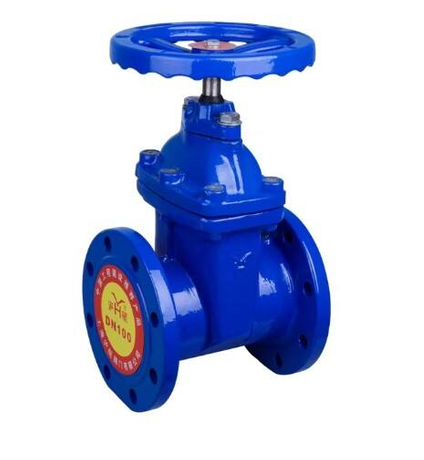
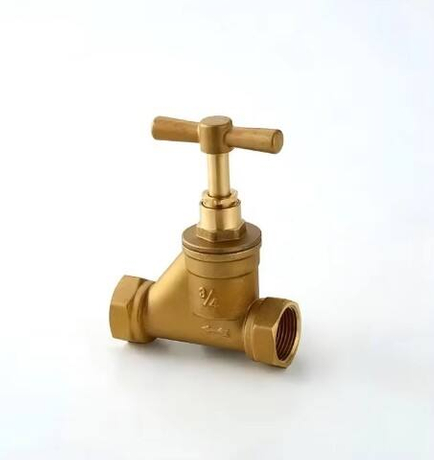
Industrial operations in harsh environments demand reliable valve solutions that can withstand extreme conditions while maintaining optimal performance. A gate valve represents one of the most critical components in pipeline systems, serving as the primary mechanism for controlling fluid flow in challenging applications. Understanding the factors that influence valve longevity becomes essential for engineers and facility managers who need to ensure continuous operation while minimizing maintenance costs and system downtime.

The performance and durability of gate valves in demanding environments depend on multiple interconnected factors ranging from material selection to operational parameters. Temperature extremes, corrosive media, pressure fluctuations, and mechanical stress all contribute to the gradual degradation of valve components. By examining these critical factors systematically, operators can make informed decisions about valve selection, installation practices, and maintenance schedules that maximize equipment lifespan and operational reliability.
Material Composition and Construction Quality
Base Metal Selection for Extreme Conditions
The foundation of any durable gate valve lies in the careful selection of base materials that can resist the specific challenges present in harsh operating environments. Ductile iron has emerged as a popular choice for many applications due to its excellent strength-to-weight ratio and superior resistance to thermal shock compared to traditional cast iron alternatives. This material exhibits enhanced ductility while maintaining the corrosion resistance properties essential for long-term performance in aggressive media.
Stainless steel grades offer superior corrosion resistance for applications involving highly corrosive chemicals or extreme pH conditions. The chromium content in stainless steel forms a passive oxide layer that protects the underlying metal from chemical attack. However, the selection of specific grades must consider factors such as chloride content, temperature ranges, and the presence of sulfur compounds that could compromise the protective layer over time.
Coating Technologies and Surface Protection
Advanced coating systems provide an additional layer of protection against environmental degradation, extending valve service life significantly beyond what base materials alone can achieve. Epoxy-based coatings offer excellent adhesion and chemical resistance, making them suitable for water treatment applications and mild chemical environments. These coatings create a barrier that prevents direct contact between the valve body and corrosive media while maintaining flexibility to accommodate thermal expansion.
Polyurethane and fluoropolymer coatings represent premium protection options for the most demanding applications. These advanced materials resist abrasion, chemical attack, and UV degradation while maintaining their protective properties across wide temperature ranges. The application method and coating thickness directly influence performance, requiring precise control during manufacturing to ensure uniform coverage and optimal adhesion to the substrate material.
Environmental Stress Factors
Temperature Cycling and Thermal Shock
Extreme temperature variations create significant mechanical stress within valve components, particularly at the interface between different materials with varying thermal expansion coefficients. Repeated heating and cooling cycles cause dimensional changes that can lead to seal failure, component warping, and accelerated fatigue in critical stress concentration areas. The rate of temperature change often proves more damaging than the absolute temperature extremes, as rapid thermal transitions prevent materials from accommodating stress through gradual deformation.
Cryogenic applications present unique challenges as materials become increasingly brittle at low temperatures, reducing their ability to absorb impact energy without fracturing. The selection of appropriate materials for sub-zero operations requires careful consideration of the ductile-to-brittle transition temperature, ensuring that valve components maintain adequate toughness throughout the expected operating range. Special attention must be paid to gasket materials and actuator components that may exhibit reduced flexibility at extreme low temperatures.
Chemical Compatibility and Corrosion Mechanisms
The chemical composition of process media directly influences valve longevity through various corrosion mechanisms that attack different aspects of the valve assembly. Uniform corrosion occurs when the entire exposed surface experiences chemical attack at a relatively consistent rate, while pitting corrosion creates localized deep penetration that can cause catastrophic failure despite minimal overall material loss. Understanding the specific corrosion mechanisms relevant to each application enables better material selection and predictive maintenance scheduling.
Galvanic corrosion becomes particularly problematic in mixed-metal assemblies where different materials with varying electrochemical potentials come into contact in the presence of an electrolyte. This phenomenon accelerates the degradation of the more anodic material while protecting the cathodic component. Careful design consideration must eliminate or minimize galvanic couples, often through the use of isolation gaskets or compatible material combinations throughout the valve assembly.
Operational Parameters and Mechanical Stress
Pressure Cycling and Fatigue Considerations
Repeated pressure cycling subjects valve components to alternating stress patterns that can initiate and propagate fatigue cracks over time. The magnitude of pressure variations, cycling frequency, and the presence of pressure spikes all contribute to cumulative fatigue damage. Components experiencing the highest stress concentrations, such as valve bodies at port transitions and stem areas, require particular attention during design and material selection to ensure adequate fatigue resistance for the expected service life.
High-frequency pressure pulsations, often generated by reciprocating pumps or compressors, can dramatically reduce valve life compared to steady-state pressure conditions. These rapid pressure changes create dynamic loading conditions that may exceed the endurance limit of valve materials, leading to premature failure. Proper system design should include pulsation dampening where necessary, and gate valve selection should account for the actual dynamic loading conditions rather than just steady-state pressure requirements.
Flow Velocity and Erosion Effects
High-velocity fluid flow creates erosive conditions that gradually remove material from valve internals, particularly in areas where flow direction changes or where turbulence develops. The gate and seat surfaces experience the most severe erosion, as these components directly interact with the flowing media during valve operation. Particle-laden fluids accelerate erosion rates significantly, with abrasive particles acting like sandpaper against valve surfaces during each opening and closing cycle.
Cavitation represents an extreme form of flow-induced damage where vapor bubbles form and collapse within the valve, creating localized pressure spikes capable of removing material from nearby surfaces. This phenomenon typically occurs when pressure drops below the vapor pressure of the flowing fluid, most commonly in high-velocity applications or when valves operate in partially open positions. Prevention strategies include proper valve sizing, avoiding throttling applications, and maintaining adequate downstream pressure to prevent vapor formation.
Installation and Maintenance Practices
Proper Installation Techniques
Correct installation procedures significantly influence valve performance and longevity by ensuring proper alignment, adequate support, and appropriate stress distribution throughout the piping system. Misalignment during installation creates uneven loading on valve components, leading to premature wear of sealing surfaces and potential binding of moving parts. The use of proper lifting equipment and installation fixtures helps maintain valve geometry during the installation process, preventing distortion that could compromise sealing performance.
Pipe stress analysis becomes crucial for large valves in high-pressure systems where thermal expansion and contraction forces can overwhelm valve structural capacity. Proper support design must accommodate these forces without transmitting excessive loads to the valve body. Installation of expansion joints or flexible connections may be necessary to isolate the valve from system-induced stresses while maintaining pressure containment integrity.
Preventive Maintenance Strategies
Systematic preventive maintenance programs extend valve life by identifying and addressing potential issues before they progress to failure conditions. Regular inspection of external surfaces helps detect early signs of corrosion, coating degradation, or mechanical damage that could compromise valve integrity. Lubrication of threaded components and actuator mechanisms prevents seizure and reduces operating torques, minimizing stress on valve internals during operation.
Performance monitoring through pressure testing, leak detection, and operating torque measurement provides quantitative data on valve condition trends over time. This information enables predictive maintenance scheduling based on actual valve performance rather than arbitrary time intervals. Documentation of maintenance activities and performance data creates a valuable database for optimizing maintenance intervals and identifying recurring issues that may indicate design or application problems.
Actuator Compatibility and Integration
Manual Operation Considerations
Manual gate valves rely on human operators to provide the force necessary for opening and closing operations, making ergonomic design and mechanical advantage crucial factors in valve longevity. Excessive operating forces can lead to incomplete valve closure, causing seat leakage and accelerated wear of sealing surfaces. The design of handwheel mechanisms must balance operator convenience with the torque requirements necessary for proper valve sealing under system pressure conditions.
Environmental factors affecting manual operation include accessibility constraints, temperature extremes that make metal surfaces uncomfortable or dangerous to touch, and weather conditions that may impair operator visibility or dexterity. Proper selection of handwheel materials and surface treatments can improve operator safety and comfort while ensuring reliable valve operation under all expected conditions. Extension stems or remote operating mechanisms may be necessary for valves installed in locations with limited access or extreme environmental conditions.
Automated Actuation Systems
Electric and pneumatic actuators offer precise control and remote operation capabilities but introduce additional complexity that can affect overall system reliability. Electric actuators provide excellent position control and can be easily integrated with modern control systems, but they require electrical power and protection from environmental conditions. Motor sizing must account for worst-case operating conditions, including low-temperature startup, maximum system pressure, and potential valve binding due to debris or corrosion.
Pneumatic actuators offer rapid operation and inherent safety advantages in explosive environments but require clean, dry compressed air for reliable operation. Moisture and contaminants in the air supply can cause actuator malfunction and accelerate internal corrosion. Air filtration and drying systems become essential components of the overall valve package, adding complexity and maintenance requirements that must be considered in the total cost of ownership calculations.
FAQ
How often should gate valves be inspected in harsh environments
Inspection frequency depends on the severity of operating conditions and the criticality of the valve application. In highly corrosive or high-temperature environments, monthly external inspections are recommended, with detailed internal inspections annually or during planned maintenance shutdowns. Less severe applications may allow quarterly external inspections with internal inspections every two to three years, but actual requirements should be based on operating experience and manufacturer recommendations.
What are the most common failure modes for gate valves in extreme conditions
The primary failure modes include seat leakage due to erosion or corrosion, stem seizure from corrosion products or thermal expansion, and body cracking from thermal stress or pressure cycling. In corrosive environments, through-wall corrosion of the valve body represents a serious safety concern, while in high-temperature applications, warping of sealing surfaces often leads to persistent leakage that cannot be corrected through adjustment or minor maintenance.
Can gate valve lifespan be predicted accurately for planning purposes
While exact lifespan prediction remains challenging due to the complexity of interacting factors, statistical analysis of similar applications combined with condition monitoring data can provide reasonable estimates for planning purposes. Factors such as material selection, operating severity, and maintenance quality significantly influence actual service life, making historical data from similar applications the most reliable predictor of future performance in comparable conditions.
What role does valve sizing play in extending operational life
Proper valve sizing ensures that flow velocities remain within acceptable limits, reducing erosion and cavitation potential while minimizing pressure drops that could cause operational problems. Oversized valves may experience reduced flow control capability and increased susceptibility to vibration, while undersized valves suffer from excessive velocity-related wear and may require frequent throttling that accelerates component degradation. Correct sizing based on actual flow requirements and system characteristics optimizes both performance and longevity.