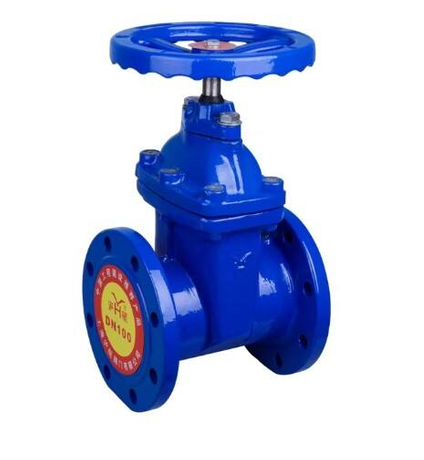
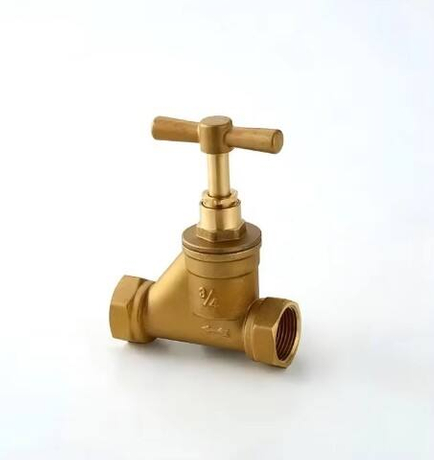
Industrial systems rely heavily on flow control mechanisms to ensure optimal performance and safety. Among these critical components, a gate valve stands out as one of the most widely used shutoff devices across various applications. Understanding how proper maintenance can significantly extend the service life of these essential components is crucial for facility managers, engineers, and maintenance professionals who seek to maximize operational efficiency while minimizing unexpected downtime and replacement costs.
Understanding Gate Valve Fundamentals and Service Life Factors
Basic Operating Principles and Design Elements
The fundamental operation of a gate valve involves a wedge-shaped disc that moves perpendicular to the flow path to control fluid passage. This straightforward design makes the gate valve particularly effective for on-off applications where minimal pressure drop is essential. The simplicity of this mechanism contributes to its reliability, but proper understanding of internal components is vital for effective maintenance strategies.
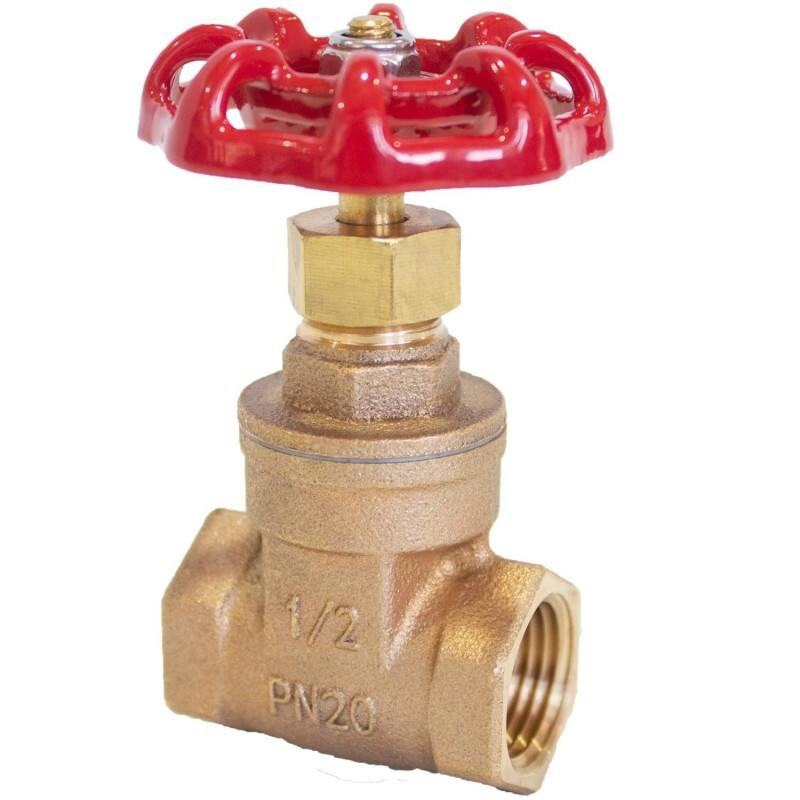
Key components that directly impact service life include the gate disc, valve seats, stem, packing, and body materials. Each element faces specific operational stresses that can lead to wear patterns, corrosion, or mechanical failure if not properly addressed. The interaction between these components determines overall valve performance and longevity, making comprehensive maintenance approaches more effective than isolated component care.
Environmental and Operational Factors Affecting Longevity
Service conditions play a crucial role in determining how long a gate valve will perform reliably. Temperature fluctuations, pressure variations, fluid characteristics, and cycling frequency all contribute to wear patterns and potential failure modes. Understanding these factors enables maintenance teams to develop targeted strategies that address the most significant threats to valve longevity in specific applications.
Chemical compatibility between valve materials and process fluids represents another critical factor. Corrosive media can rapidly degrade sealing surfaces and internal components, while abrasive particles in the flow stream can cause accelerated wear on moving parts. Proper material selection during initial installation works hand-in-hand with maintenance practices to maximize service life.
Preventive Maintenance Strategies for Maximum Service Life
Regular Inspection Protocols and Schedules
Establishing systematic inspection schedules forms the foundation of effective gate valve maintenance. Visual inspections should focus on external signs of leakage, corrosion, or mechanical damage that might indicate internal problems. These routine checks allow maintenance teams to identify potential issues before they escalate into costly failures or safety hazards.
Internal inspections require more extensive procedures but provide invaluable insights into component condition. Periodic disassembly enables direct examination of sealing surfaces, stem threads, and packing conditions. Documentation of inspection findings creates historical records that help predict future maintenance needs and optimize service intervals for each specific gate valve installation.
Lubrication and Cleaning Procedures
Proper lubrication practices significantly extend gate valve service life by reducing friction between moving components and protecting against corrosion. Stem threads, yoke bushings, and gear operators require specific lubricant types and application frequencies based on operating conditions and manufacturer recommendations. Using incorrect lubricants can actually accelerate wear or cause compatibility issues with valve materials.
Cleaning procedures remove accumulated debris, scale, or deposits that can interfere with proper valve operation. External cleaning maintains visual inspection capabilities and prevents corrosion, while internal cleaning during maintenance intervals ensures smooth operation and proper sealing. The frequency and methods used should align with process conditions and contamination levels in the specific installation environment.
Component-Specific Maintenance Approaches
Stem and Packing System Care
The stem assembly represents one of the most critical areas for maintaining gate valve functionality. Proper stem alignment prevents binding and reduces actuating torque requirements, while regular lubrication ensures smooth operation throughout the valve's service life. Monitoring stem condition helps identify potential problems with the gate disc or seat alignment before major damage occurs.
Packing systems require careful attention to maintain leak-tight performance without creating excessive stem friction. Over-tightening packing glands can accelerate stem wear and increase operating torque, while insufficient compression allows fugitive emissions. Regular packing adjustment and replacement at appropriate intervals maintains the delicate balance between sealing performance and operational smoothness.
Seat and Disc Maintenance Techniques
Sealing surfaces on both the gate disc and valve seats determine shutoff capability and directly impact service life. Minor surface imperfections can often be addressed through in-place lapping or grinding procedures, while more severe damage may require professional refurbishment or component replacement. Early intervention when surface problems are detected prevents progressive deterioration that compromises valve performance.
Gate disc alignment affects sealing performance and wear patterns on both the disc and seats. Proper maintenance procedures include checking for parallel alignment between sealing surfaces and ensuring uniform contact pressure across the entire seating area. Misalignment creates localized high-stress areas that accelerate wear and reduce overall gate valve service life significantly.
Troubleshooting Common Issues and Solutions
Identifying Early Warning Signs
Recognizing early indicators of potential gate valve problems enables proactive maintenance interventions that prevent major failures. Increased operating torque often signals stem binding, packing problems, or internal debris accumulation. External leakage patterns provide clues about specific component failures, while changes in flow characteristics may indicate internal damage or obstruction.
Unusual vibration or noise during operation can indicate loose components, cavitation, or flow turbulence caused by partially closed positions. These symptoms warrant immediate investigation to prevent progressive damage that could significantly shorten service life. Systematic monitoring and documentation of operational parameters helps establish baseline performance metrics for comparison purposes.
Corrective Action Procedures
When problems are identified, prompt corrective action prevents minor issues from developing into major failures. Simple adjustments to packing compression or lubrication schedules often resolve operational difficulties without requiring extensive repairs. However, more complex problems may necessitate partial or complete valve disassembly for thorough inspection and component replacement.
Establishing clear decision criteria for repair versus replacement helps optimize maintenance investments. Factors such as component availability, repair costs, downtime requirements, and remaining service life expectations all influence these decisions. Professional assessment of gate valve condition provides objective guidance for maintenance strategy development and budget planning.
Advanced Maintenance Technologies and Techniques
Predictive Maintenance Applications
Modern predictive maintenance technologies offer significant advantages for extending gate valve service life through early problem detection and optimized maintenance scheduling. Vibration analysis can identify developing mechanical problems before they cause operational failures, while thermal imaging detects temperature anomalies that may indicate internal friction or flow restrictions.
Ultrasonic testing techniques enable non-destructive evaluation of internal component conditions without requiring valve disassembly. These advanced diagnostic methods provide detailed insights into wear patterns, material thickness, and potential failure modes. Integration of predictive maintenance data with historical performance records creates comprehensive condition assessments that guide maintenance decision-making.
Remote Monitoring and Diagnostic Systems
Remote monitoring systems enable continuous assessment of gate valve performance parameters without manual intervention. Pressure, temperature, position, and vibration sensors provide real-time data that can identify developing problems or confirm proper operation. Automated data logging creates comprehensive historical records that support predictive maintenance strategies and service life optimization efforts.
Integration with plant-wide control systems enables automated responses to detected anomalies, such as adjusting operating parameters or triggering maintenance alerts. These systems reduce the risk of undetected problems that could lead to catastrophic failures and extend overall gate valve service life through optimized operating conditions and timely maintenance interventions.
Cost-Benefit Analysis of Proper Maintenance
Direct Cost Savings and ROI
Implementing comprehensive gate valve maintenance programs requires upfront investment in training, tools, and spare parts inventory. However, the long-term benefits typically far exceed these initial costs through reduced replacement frequency, minimized emergency repairs, and extended service intervals. Quantifying these benefits helps justify maintenance program investments and demonstrates value to management stakeholders.
Emergency repairs and unplanned replacements often cost significantly more than scheduled maintenance activities due to expedited parts procurement, overtime labor, and production losses. Proper maintenance planning eliminates most emergency situations and enables bulk purchasing of spare parts at favorable prices. These direct cost savings typically provide positive return on investment within the first year of program implementation.
Indirect Benefits and Risk Mitigation
Beyond direct cost savings, proper gate valve maintenance provides substantial indirect benefits through improved system reliability and reduced operational risks. Consistent valve performance supports optimal process conditions and product quality, while reduced failure rates minimize safety hazards and environmental risks associated with unexpected releases or system upsets.
Extended service life through proper maintenance also provides planning advantages by making valve replacement schedules more predictable. This predictability enables better capital budget planning and reduces the likelihood of production disruptions caused by valve failures. The cumulative effect of these benefits often exceeds direct cost savings and provides compelling justification for comprehensive maintenance programs.
FAQ
How often should gate valves be inspected for optimal service life?
Inspection frequency depends on service conditions and criticality, but generally, visual inspections should occur monthly while comprehensive internal inspections are recommended annually or based on operating cycles. Critical applications may require more frequent attention, while less demanding services might extend intervals. The key is establishing consistent schedules based on actual operating experience and manufacturer recommendations.
What are the most common causes of premature gate valve failure?
The primary causes include inadequate lubrication leading to stem binding, improper packing adjustment causing excessive friction or leakage, corrosion from chemical incompatibility, and mechanical damage from operating valves in partially open positions. Poor installation practices and exceeding design limitations also contribute significantly to shortened service life.
Can damaged gate valve seats be repaired in place?
Minor seat damage can often be addressed through portable machining or lapping procedures without removing the valve from service lines. However, extensive damage typically requires valve removal and professional refurbishment. The decision depends on damage severity, valve size, accessibility, and cost considerations compared to replacement options.
What maintenance records should be kept for gate valves?
Essential records include installation dates, operating parameters, inspection findings, maintenance activities performed, parts replaced, and any operational problems encountered. This documentation enables trend analysis, predictive maintenance planning, and warranty claim support. Digital maintenance management systems can automate record-keeping and provide analytical capabilities for optimization efforts.