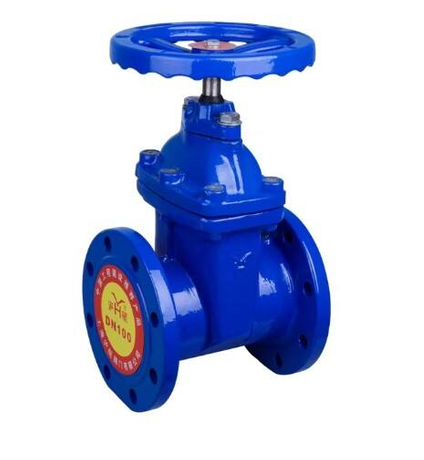
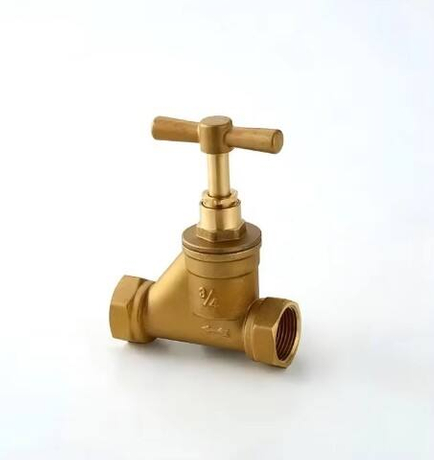
Modern building safety systems rely heavily on sophisticated fire suppression technologies to protect occupants and property from devastating fire damage. Among the critical components that form the backbone of these systems, the fire protection valve stands as an essential element that controls water flow and ensures proper system activation during emergency situations. These specialized valves are engineered to meet stringent safety standards and provide reliable performance when lives depend on their functionality.
Fire protection systems have evolved significantly over the decades, incorporating advanced materials and precision engineering to deliver consistent performance under extreme conditions. The integration of high-quality fire protection valve components ensures that building owners can maintain compliance with local fire codes while providing maximum protection for their investments. Understanding how these valves function and their role in comprehensive fire safety strategies is crucial for facility managers, engineers, and building owners who prioritize occupant safety.
Understanding Fire Protection Valve Fundamentals
Core Components and Design Principles
The sophisticated design of a fire protection valve incorporates multiple precision-engineered components that work together to ensure reliable operation during critical moments. These valves feature robust internal mechanisms including diaphragms, springs, and actuating elements that respond to predetermined pressure differentials or electrical signals. The materials used in construction typically include corrosion-resistant metals and specialized seals that can withstand extreme temperatures and maintain integrity over extended periods.
Manufacturing standards for fire protection valve systems require adherence to strict quality control protocols that ensure consistent performance across different operating conditions. The valve body construction utilizes high-grade materials that resist degradation from environmental factors while maintaining structural integrity under high-pressure scenarios. Internal components are precisely calibrated to activate at specific thresholds, ensuring that the system responds appropriately to genuine fire conditions while avoiding false activations that could cause unnecessary water damage.
Operational Mechanisms and Response Systems
The operational efficiency of fire protection valve systems depends on their ability to rapidly transition from a closed position to full flow capacity when activation signals are received. This transition typically occurs within seconds of system activation, allowing water or other suppression agents to reach affected areas before fire conditions become unmanageable. The valve mechanism is designed to fail in the open position, ensuring that even if component failure occurs during an emergency, water flow continues to reach critical areas.
Advanced fire protection valve designs incorporate multiple redundancy features that enhance system reliability and reduce the likelihood of system failure during emergency situations. These redundancies include backup activation methods, secondary flow paths, and integrated monitoring systems that continuously assess valve status and report any maintenance requirements. The integration of smart technology allows building management systems to receive real-time status updates and perform routine diagnostic checks without manual intervention.

Installation Requirements and System Integration
Strategic Placement and Configuration
Proper installation of fire protection valve components requires careful consideration of building layout, occupancy patterns, and potential fire hazard locations. Professional engineers conduct comprehensive risk assessments to determine optimal valve placement that ensures adequate coverage while minimizing installation complexity and ongoing maintenance requirements. The strategic positioning of these valves throughout the building infrastructure creates multiple layers of protection that can respond independently to localized fire conditions.
Installation specifications for fire protection valve systems must comply with national and local building codes that establish minimum performance standards and coverage requirements. These regulations dictate specific spacing requirements, pressure ratings, and response time criteria that ensure installed systems provide adequate protection for building occupants. Compliance with these standards requires detailed documentation and regular inspection protocols that verify continued adherence to safety requirements throughout the system's operational lifespan.
Integration with Building Management Systems
Modern fire protection valve installations increasingly integrate with comprehensive building management systems that provide centralized monitoring and control capabilities. This integration allows facility managers to monitor system status, receive immediate alerts about potential issues, and coordinate emergency response activities from a central location. The connectivity between fire suppression systems and other building safety systems creates a coordinated response network that enhances overall building security and occupant protection.
The sophisticated integration of fire protection valve systems with building automation networks enables predictive maintenance scheduling that reduces the likelihood of system failures and ensures optimal performance throughout the system's operational life. Automated monitoring systems continuously assess valve performance parameters and generate maintenance alerts when components approach service intervals or exhibit performance degradation. This proactive approach to system maintenance significantly reduces the risk of system failure during emergency situations.
Maintenance Protocols and Performance Optimization
Routine Inspection and Testing Procedures
Effective maintenance of fire protection valve systems requires implementation of comprehensive inspection protocols that assess both mechanical and electronic components on regular schedules. These inspections include visual assessments of valve housings, verification of actuator functionality, and testing of integrated monitoring systems to ensure all components operate within specified parameters. Regular maintenance activities help identify potential issues before they compromise system performance and ensure continued compliance with safety regulations.
Professional maintenance technicians utilize specialized diagnostic equipment to perform detailed assessments of fire protection valve performance characteristics including response times, flow rates, and pressure differentials. These measurements are compared against manufacturer specifications and regulatory requirements to verify that system performance remains within acceptable parameters. Detailed maintenance records provide valuable documentation for regulatory compliance and help identify patterns that may indicate emerging performance issues requiring attention.
Troubleshooting and Performance Enhancement
When fire protection valve systems exhibit performance issues, systematic troubleshooting procedures help identify root causes and implement appropriate corrective actions. Common issues include actuator malfunctions, seal degradation, and control system communication problems that can affect system reliability and response characteristics. Professional technicians utilize diagnostic protocols that systematically assess each system component to isolate problems and implement targeted solutions that restore optimal performance.
Performance enhancement opportunities often emerge during routine maintenance activities when technicians identify components that could benefit from upgrades or modifications that improve system efficiency and reliability. These enhancements may include fire protection valve replacements with newer models that offer improved performance characteristics, integration of advanced monitoring capabilities, or modification of control parameters to optimize response times and flow characteristics for specific building applications.
Advanced Technologies and Future Developments
Smart Valve Technologies and IoT Integration
The evolution of fire protection valve technology increasingly incorporates internet-of-things connectivity that enables real-time monitoring and remote management capabilities. These smart valve systems provide continuous status updates, performance analytics, and predictive maintenance alerts that help building managers optimize system performance while reducing maintenance costs. The integration of artificial intelligence algorithms allows these systems to learn from historical performance data and automatically adjust operating parameters to maintain optimal performance under changing conditions.
Advanced sensor technologies integrated into modern fire protection valve designs provide unprecedented visibility into system performance characteristics and environmental conditions. These sensors monitor parameters including temperature, pressure, flow rates, and ambient conditions that affect system performance, providing valuable data for optimizing system configuration and predicting maintenance requirements. The comprehensive data collection capabilities of these smart systems enable facility managers to make informed decisions about system upgrades and modifications that enhance overall building safety.
Sustainability and Environmental Considerations
Contemporary fire protection valve designs increasingly emphasize sustainability and environmental responsibility through the use of recyclable materials and energy-efficient operating mechanisms. Manufacturers are developing valve systems that minimize water consumption during testing and maintenance activities while maintaining the high performance standards required for life safety applications. These environmental considerations align with broader building sustainability initiatives while ensuring that fire protection capabilities remain uncompromised.
The development of eco-friendly fire protection valve technologies includes innovations in materials science that reduce environmental impact throughout the product lifecycle. Advanced manufacturing processes minimize waste generation and energy consumption while producing valves that offer extended service lives and improved recyclability at end-of-life. These sustainability improvements contribute to green building certification requirements while providing long-term cost benefits through reduced replacement frequency and lower maintenance requirements.
Regulatory Compliance and Industry Standards
Code Requirements and Certification Processes
Fire protection valve installations must comply with comprehensive regulatory frameworks that establish minimum performance standards and installation requirements for commercial and residential applications. These regulations include specifications for valve capacity, response times, materials of construction, and testing protocols that ensure installed systems provide adequate protection for building occupants. Compliance with these standards requires detailed documentation and regular inspection by qualified professionals who verify continued adherence to safety requirements.
The certification process for fire protection valve systems involves rigorous testing procedures that validate performance characteristics under simulated emergency conditions. Independent testing laboratories conduct comprehensive assessments that evaluate valve response times, flow capacity, durability, and integration capabilities to ensure that certified products meet or exceed regulatory requirements. This certification process provides building owners with confidence that installed systems will perform reliably when needed most.
Quality Assurance and Performance Standards
Industry standards for fire protection valve manufacturing establish quality control protocols that ensure consistent product performance across different production batches and manufacturing facilities. These standards include specifications for materials testing, dimensional tolerances, performance verification, and quality documentation that provide traceability throughout the manufacturing process. Adherence to these standards ensures that fire protection valve products deliver reliable performance regardless of installation location or operating conditions.
Performance standards for fire protection valve systems establish benchmark criteria that define acceptable operating characteristics for different application scenarios. These benchmarks include specifications for activation pressure, flow rates, response times, and durability requirements that ensure installed systems provide adequate protection for specific building types and occupancy classifications. Regular performance assessments verify that installed systems continue to meet these standards throughout their operational lifespan.
FAQ
What factors determine the appropriate fire protection valve size for a specific building
The selection of appropriate fire protection valve sizing depends on multiple factors including building occupancy classification, total floor area, ceiling height, and expected fire load characteristics. Professional engineers conduct hydraulic calculations that consider water supply pressure, pipe sizing, and sprinkler head requirements to determine the optimal valve capacity for each zone of protection. These calculations ensure that adequate water flow reaches all protected areas while maintaining sufficient pressure for effective fire suppression throughout the building.
How often should fire protection valve systems undergo professional inspection and testing
Fire protection valve systems typically require professional inspection and testing on annual schedules, with some components requiring more frequent assessment depending on local regulations and system complexity. Monthly visual inspections verify that valve assemblies remain unobstructed and properly positioned, while annual comprehensive testing validates mechanical and electronic component functionality. High-risk facilities or systems with complex integration requirements may require quarterly or semi-annual professional assessments to ensure continued compliance with safety standards.
Can existing fire protection valve installations be upgraded with modern smart technology features
Many existing fire protection valve installations can be upgraded with modern monitoring and control technologies that enhance system performance and provide remote management capabilities. Retrofit options include wireless monitoring sensors, electronic actuators, and communication interfaces that integrate with building management systems. However, compatibility assessments by qualified professionals are essential to ensure that proposed upgrades maintain system integrity and comply with applicable safety regulations for the specific installation.
What are the most common causes of fire protection valve system failures and how can they be prevented
The most frequent causes of fire protection valve system failures include component corrosion, actuator malfunctions, control system communication problems, and inadequate maintenance practices. Prevention strategies include implementation of regular inspection schedules, use of corrosion-resistant materials in harsh environments, proper system commissioning procedures, and staff training on system operation and maintenance requirements. Proactive maintenance programs that address potential issues before they cause system failures significantly improve overall system reliability and reduce the risk of protection system unavailability during emergency situations.