Selecting the appropriate water supply and drainage valve is crucial for ensuring optimal performance and longevity in any plumbing or industrial system. These essential components regulate water flow, prevent backflow, and maintain system pressure across residential, commercial, and industrial applications. Understanding the technical specifications, material considerations, and operational requirements of a water supply and drainage valve helps engineers and facility managers make informed decisions that reduce maintenance costs and extend system lifespan.

Understanding Water Supply and Drainage Valve Fundamentals
Primary Functions and Applications
A water supply and drainage valve serves multiple critical functions within fluid management systems. These components control flow direction, regulate pressure levels, and provide emergency shutoff capabilities when necessary. Modern water supply and drainage valve designs incorporate advanced sealing technologies that prevent leakage and ensure reliable operation under varying pressure conditions. Industrial applications often require specialized valve configurations that can withstand corrosive environments and extreme temperature fluctuations.
The versatility of water supply and drainage valve systems extends across municipal water treatment facilities, manufacturing plants, and commercial buildings. Each application demands specific performance characteristics, including flow capacity, pressure ratings, and material compatibility. Understanding these requirements enables proper valve selection that aligns with operational demands and regulatory compliance standards.
Material Selection and Construction Quality
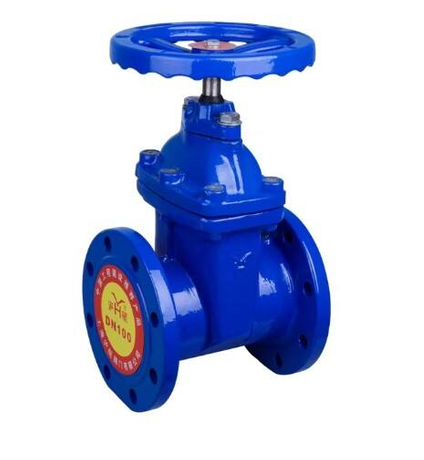
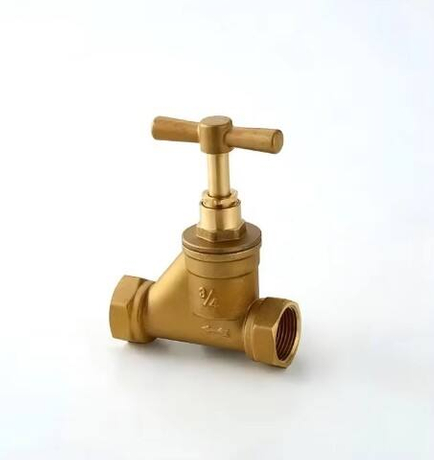
Material selection significantly impacts the performance and durability of any water supply and drainage valve system. Ductile iron construction offers exceptional strength and corrosion resistance, making it ideal for demanding applications. Bronze and stainless steel alternatives provide enhanced chemical compatibility for specialized environments where standard materials may deteriorate over time.
Quality construction techniques, including precision machining and advanced coating processes, ensure that each water supply and drainage valve meets stringent industry standards. Proper heat treatment and stress relief procedures enhance the mechanical properties of valve components, reducing the likelihood of premature failure and extending operational lifespan significantly.
Technical Specifications and Performance Criteria
Pressure Ratings and Flow Characteristics
Understanding pressure ratings is essential when selecting a water supply and drainage valve for specific applications. Standard pressure classes range from 125 PSI for residential use to 600 PSI or higher for industrial applications. Flow coefficient values determine the valve's capacity to handle specific flow rates while maintaining acceptable pressure drops across the system.
Temperature compatibility represents another critical factor affecting valve performance and longevity. Most water supply and drainage valve designs accommodate temperatures ranging from -20°F to 400°F, though specialized applications may require extended temperature ranges. Proper thermal expansion considerations ensure reliable sealing and prevent mechanical stress during temperature cycling.
Valve Configuration and Operation Methods
Gate valves, ball valves, and globe valves each offer distinct advantages for different water supply and drainage valve applications. Gate valves provide minimal pressure drop when fully open, making them ideal for main line applications. Ball valves offer quick quarter-turn operation and excellent shutoff capabilities, while globe valves excel in throttling applications where precise flow control is required.
Manual operation remains standard for most water supply and drainage valve installations, though electric and pneumatic actuation options provide remote control capabilities. Automated systems enhance operational efficiency and enable integration with building management systems for optimized water distribution and energy consumption.
Installation Best Practices and System Integration
Proper Installation Techniques
Successful installation of a water supply and drainage valve requires careful attention to alignment, support, and connection procedures. Proper pipe preparation, including cleaning and deburring, ensures reliable sealing and prevents contamination during initial system startup. Flange connections must be properly torqued according to manufacturer specifications to prevent leakage and ensure optimal performance.
Adequate clearance around the valve body facilitates future maintenance and inspection activities. Installation teams should verify that the water supply and drainage valve orientation matches system requirements and that all safety devices are properly configured before system commissioning.
System Compatibility and Integration Requirements
Compatibility with existing piping systems requires careful evaluation of connection types, pressure ratings, and material specifications. The selected water supply and drainage valve must integrate seamlessly with upstream and downstream components to ensure system reliability. Proper isolation and bypass provisions enable maintenance activities without disrupting entire system operations.
Control system integration may require additional instrumentation and monitoring capabilities. Modern water supply and drainage valve installations often incorporate position feedback, flow measurement, and diagnostic monitoring to optimize system performance and enable predictive maintenance strategies.
Maintenance Strategies and Lifecycle Management
Preventive Maintenance Programs
Implementing comprehensive preventive maintenance programs significantly extends the service life of any water supply and drainage valve system. Regular inspection schedules should include visual examination of valve bodies, stem seals, and connection points for signs of leakage or corrosion. Lubrication of moving components according to manufacturer recommendations prevents premature wear and ensures smooth operation.
Periodic testing of valve operation verifies proper function and identifies potential issues before they result in system failures. Documentation of maintenance activities and performance trends enables data-driven decisions regarding replacement timing and optimization opportunities for water supply and drainage valve systems.
Performance Monitoring and Optimization
Continuous monitoring of system performance parameters helps identify gradual degradation in water supply and drainage valve operation. Pressure differential measurements, flow rate monitoring, and vibration analysis provide early warning of developing problems that could impact system reliability or efficiency.
Modern diagnostic technologies enable remote monitoring and automated alert systems that notify maintenance personnel of abnormal conditions. These capabilities reduce the risk of unexpected failures and enable proactive maintenance interventions that minimize operational disruptions and extend equipment lifespan.
Cost Considerations and Economic Analysis
Initial Investment and Long-term Value
While initial cost represents an important factor in water supply and drainage valve selection, total cost of ownership provides a more comprehensive evaluation framework. High-quality valves with superior materials and construction may require higher upfront investment but deliver significant savings through reduced maintenance requirements and extended service life.
Energy efficiency considerations also impact long-term operating costs, particularly in systems with frequent valve operation cycles. Low-friction designs and optimized flow characteristics reduce pumping energy requirements and contribute to overall system efficiency improvements throughout the operational lifecycle.
Return on Investment Analysis
Quantifying the return on investment for premium water supply and drainage valve selections requires evaluation of maintenance cost reductions, energy savings, and operational reliability improvements. Reduced downtime and emergency repair costs often justify the incremental investment in higher-quality components over the system's operational lifetime.
Risk mitigation represents another important economic consideration when evaluating water supply and drainage valve options. Systems with enhanced reliability reduce the potential for costly emergency repairs, environmental incidents, and business interruption that could result from valve failures in critical applications.
FAQ
What factors should be considered when selecting a water supply and drainage valve for industrial applications
Industrial water supply and drainage valve selection requires evaluation of operating pressure and temperature ranges, chemical compatibility with process fluids, flow capacity requirements, and maintenance accessibility. Material selection should account for corrosive environments and potential contamination concerns, while valve configuration must align with operational requirements and safety protocols.
How often should water supply and drainage valve maintenance be performed
Maintenance frequency for water supply and drainage valve systems depends on operating conditions, environmental factors, and manufacturer recommendations. Typical inspection schedules range from monthly visual checks to annual comprehensive overhauls, with critical applications requiring more frequent attention. Condition-based monitoring can optimize maintenance intervals based on actual performance data rather than fixed schedules.
What are the advantages of ductile iron construction in water supply and drainage valve applications
Ductile iron offers superior strength-to-weight ratio compared to traditional cast iron, providing enhanced durability and impact resistance. This material demonstrates excellent corrosion resistance when properly coated and can withstand high pressure applications while maintaining dimensional stability. The manufacturing versatility of ductile iron enables complex valve geometries that optimize flow characteristics and reduce pressure losses.
Can electric actuators be retrofitted to existing manual water supply and drainage valve installations
Many existing manual water supply and drainage valve installations can accommodate electric actuator retrofits, provided the valve stem and mounting provisions are compatible with standard actuator interfaces. Successful retrofits require evaluation of available space, electrical power requirements, and control system integration needs. Professional assessment ensures proper sizing and installation of actuator components for reliable automated operation.