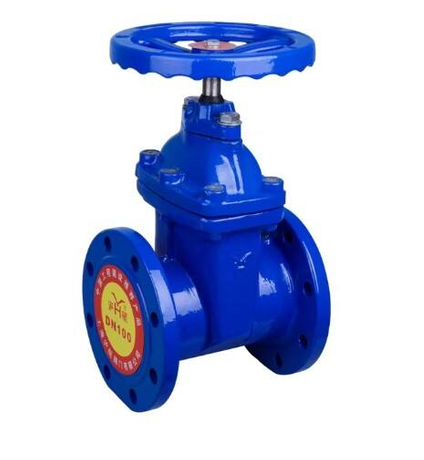
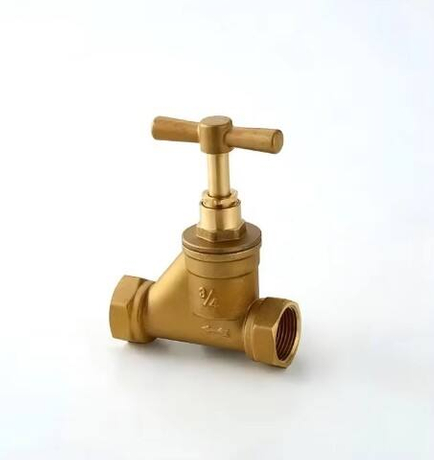
High-pressure industrial applications demand components that can withstand extreme conditions while maintaining operational integrity and safety standards. Industrial valves serve as critical control mechanisms in these demanding environments, regulating flow, pressure, and direction of various media including water, gas, oil, and steam. From petrochemical refineries to power generation facilities, these specialized components ensure system reliability and prevent catastrophic failures that could result in significant downtime or safety hazards.
The selection and implementation of appropriate industrial valves requires comprehensive understanding of pressure ratings, material compatibility, and operational parameters. Modern manufacturing processes often involve pressures exceeding 1500 PSI, creating environments where standard valves would fail catastrophically. These extreme conditions necessitate specialized engineering approaches and materials that can maintain structural integrity under sustained high-pressure loads while providing precise control functionality.
Engineering Fundamentals of High-Pressure Valve Design
Pressure Rating Classifications and Standards
Industrial valves designed for high-pressure applications must comply with rigorous international standards including ASME B16.34, API 602, and ISO 15761. These standards define pressure-temperature ratings that ensure valves can safely operate within specified parameters. Class ratings typically range from 150 to 4500, with higher classes indicating greater pressure handling capabilities. The relationship between temperature and pressure creates complex engineering challenges that manufacturers address through advanced metallurgy and design optimization.
Understanding pressure class designations is crucial for proper valve selection in industrial applications. A Class 600 valve, for example, can handle 1440 PSI at ambient temperature but only 755 PSI at 400°F due to material strength reduction at elevated temperatures. This temperature-pressure relationship directly impacts valve selection and system design, requiring engineers to consider worst-case operating scenarios during the specification process.
Material Science and Metallurgical Considerations
The selection of appropriate materials for high-pressure industrial valves involves analyzing factors including corrosion resistance, mechanical strength, thermal expansion, and compatibility with process media. Carbon steel remains popular for many applications due to its excellent strength-to-cost ratio, while stainless steel alloys provide superior corrosion resistance in aggressive environments. Specialized alloys like Inconel and Hastelloy address extreme conditions involving high temperatures and corrosive chemicals.
Material selection also considers the potential for stress corrosion cracking, hydrogen embrittlement, and fatigue failure under cyclic loading conditions. Industrial valves operating in high-pressure environments experience continuous stress that can lead to metallurgical changes over time. Proper material selection and heat treatment processes ensure long-term reliability and prevent unexpected failures that could compromise system safety and operational efficiency.
Critical Applications Requiring High-Pressure Industrial Valves
Petrochemical and Refining Operations
Petrochemical facilities rely heavily on industrial valves to manage high-pressure hydrocarbon streams, catalyst circulation systems, and steam generation equipment. These environments present unique challenges including extreme temperatures, corrosive media, and fire safety requirements. Refineries typically operate at pressures ranging from 500 to 3000 PSI, with some specialized units reaching even higher pressures during processing operations.
The complexity of modern refining processes requires industrial valves that can handle rapid pressure fluctuations while maintaining tight shutoff capabilities. Emergency shutdown systems depend on reliable valve operation to isolate process units during upset conditions. Fire-safe design features ensure that valves maintain their sealing integrity even when exposed to extreme heat, preventing catastrophic releases that could escalate emergency situations.
Power Generation and Steam Systems
Power plants utilize industrial valves in critical steam cycles where pressures can exceed 4500 PSI and temperatures reach 1200°F. These extreme conditions demand specialized valve designs that maintain structural integrity while providing precise flow control. Supercritical steam applications push material limits and require careful consideration of thermal shock resistance and creep strength.
Steam turbine bypass systems exemplify the demanding requirements placed on high-pressure industrial valves in power generation. These valves must open rapidly during startup sequences while handling severe pressure drops that create erosive conditions. Advanced trim designs and specialized materials mitigate cavitation and erosion effects that could compromise valve performance and reduce operational lifespan.
Design Features and Technologies for Extreme Pressure Applications
Sealing Systems and Leak Prevention
Effective sealing represents one of the most critical aspects of high-pressure industrial valves design. Traditional elastomeric seals often fail under extreme pressure conditions, necessitating metal-to-metal sealing solutions or advanced polymer compounds. Pressure-energized seals utilize system pressure to enhance sealing force, providing improved performance as operating pressure increases.
Multi-stage sealing arrangements offer redundancy and improved leak-tight performance in critical applications. Primary seals handle normal operating conditions while secondary seals provide backup protection during upset scenarios. Advanced manufacturing techniques enable precision machining of sealing surfaces to tolerances measured in microinches, ensuring reliable sealing performance throughout the valve's operational life.
Actuator Systems and Control Integration
High-pressure industrial valves often require powerful actuator systems to overcome significant thrust requirements created by pressure forces acting on valve components. Pneumatic, hydraulic, and electric actuators each offer distinct advantages depending on application requirements. Hydraulic actuators provide the highest force output but require complex support systems, while electric actuators offer precise positioning and easy integration with digital control systems.
Smart actuator technologies enable remote monitoring and diagnostic capabilities that enhance maintenance planning and operational reliability. Position feedback systems ensure accurate valve positioning while torque monitoring detects developing problems before they result in valve failure. Integration with distributed control systems allows coordinated operation of multiple industrial valves throughout complex process facilities.
Installation and Maintenance Best Practices
System Integration and Pipeline Considerations
Proper installation of high-pressure industrial valves requires careful attention to piping stress, thermal expansion, and support requirements. Inadequate support can create excessive loads on valve bodies, leading to premature failure or leakage problems. Expansion joints and flexible connections help accommodate thermal growth while maintaining proper valve alignment throughout operating cycles.
Welding procedures for high-pressure applications must follow qualified procedures that ensure full penetration and proper heat treatment. Post-weld heat treatment relieves residual stresses that could contribute to stress corrosion cracking or fatigue failure. Non-destructive testing methods verify weld integrity before system commissioning and pressurization.
Preventive Maintenance and Reliability Programs
Comprehensive maintenance programs for industrial valves in high-pressure service include regular inspection, testing, and component replacement schedules based on manufacturer recommendations and operating experience. Predictive maintenance techniques such as vibration analysis and thermography can detect developing problems before they result in unplanned shutdowns.
Spare parts management becomes critical for high-pressure industrial valves due to the specialized materials and manufacturing processes involved. Long lead times for replacement components necessitate strategic inventory planning to minimize downtime during maintenance activities. Documentation of maintenance activities and performance trends enables optimization of maintenance intervals and identification of chronic problem areas.
Emerging Technologies and Future Developments
Advanced Materials and Manufacturing Processes
Additive manufacturing technologies are beginning to impact industrial valves design by enabling complex internal geometries that would be impossible with traditional machining methods. 3D printing of metal components allows optimization of flow paths and weight reduction while maintaining structural integrity requirements. However, qualification of additively manufactured components for high-pressure service requires extensive testing and validation.
Nanotechnology applications in coating systems provide enhanced corrosion resistance and reduced friction for improved valve performance. These advanced coatings can extend service life and reduce maintenance requirements in aggressive environments. Surface engineering techniques continue to evolve, offering new possibilities for enhancing the performance of industrial valves in demanding applications.
Digital Integration and Industry 4.0
The integration of digital technologies into industrial valves enables real-time monitoring and predictive analytics that optimize performance and reliability. Sensor integration provides continuous feedback on valve position, temperature, pressure, and vibration parameters. Machine learning algorithms analyze this data to predict maintenance needs and optimize operational parameters for improved efficiency.
Wireless communication technologies eliminate the need for extensive wiring while providing secure data transmission for remote monitoring applications. Digital twin concepts allow virtual modeling of valve performance under various operating conditions, enabling optimization of maintenance schedules and operational parameters without risking actual equipment.
Economic Considerations and Total Cost of Ownership
Initial Investment vs Long-Term Value
The economic analysis of industrial valves for high-pressure applications must consider total cost of ownership rather than initial purchase price alone. Higher-quality valves with superior materials and design features often provide significant long-term value through reduced maintenance costs and improved reliability. Unplanned downtime costs in industrial facilities can quickly exceed the price difference between standard and premium valve options.
Life cycle cost analysis should include factors such as energy consumption, maintenance frequency, spare parts availability, and end-of-life disposal costs. Energy-efficient valve designs can provide substantial savings in pumping costs over the valve's operational lifetime. These economic benefits often justify the higher initial investment in premium industrial valves for critical high-pressure applications.
Risk Assessment and Safety Considerations
Safety-related costs associated with valve failures in high-pressure systems can be catastrophic, making reliability a primary economic consideration. Risk assessment methodologies help quantify the potential consequences of valve failure and guide appropriate investment in safety systems and redundancy measures. Insurance costs and regulatory compliance requirements also influence valve selection decisions.
The implementation of safety instrumented systems often depends on the reliability of critical industrial valves for emergency shutdown functions. SIL-rated valves provide documented reliability data that supports safety system design and regulatory compliance. The cost of achieving higher safety integrity levels must be balanced against the potential consequences of system failure.
FAQ
What pressure ratings are considered high-pressure for industrial valves
High-pressure industrial valves typically refer to those designed for Class 600 and above, which corresponds to working pressures of approximately 1440 PSI at ambient temperature. However, the definition can vary by industry, with some applications considering pressures above 1000 PSI as high-pressure, while others may not classify systems as high-pressure until they exceed 5000 PSI. The specific pressure rating requirements depend on the application, process media, and safety considerations.
How do temperature fluctuations affect high-pressure valve performance
Temperature variations significantly impact the pressure rating and performance of industrial valves due to changes in material strength and thermal expansion effects. As temperature increases, the allowable working pressure decreases according to pressure-temperature rating charts. Thermal cycling can also cause stress on valve components, potentially leading to seal degradation, body cracking, or stem binding. Proper material selection and design features such as expansion compensation help mitigate these effects.
What are the most critical maintenance requirements for high-pressure industrial valves
Critical maintenance requirements include regular inspection of sealing surfaces, periodic pressure testing to verify integrity, lubrication of moving components, and monitoring for signs of corrosion or erosion. Torque verification ensures proper assembly of bolted connections, while non-destructive testing methods can detect internal defects before they lead to failure. Documentation of all maintenance activities and trending of performance parameters helps optimize maintenance intervals and predict component replacement needs.
How do you select the appropriate materials for corrosive high-pressure applications
Material selection for corrosive high-pressure applications requires analysis of the specific process media, operating temperature, pressure cycling, and environmental conditions. Corrosion testing and compatibility charts guide initial material selection, while consideration of factors such as stress corrosion cracking, hydrogen embrittlement, and galvanic corrosion effects influences the final choice. Specialized alloys like duplex stainless steel or nickel-based super alloys may be necessary for severe service conditions, despite their higher cost.