Industrial pipeline systems handling large volumes of fluids require efficient, reliable control mechanisms that can operate under demanding conditions while maintaining cost-effectiveness. The butterfly valve has emerged as the preferred solution for large-diameter applications across numerous industries, from water treatment facilities to oil and gas processing plants. These versatile flow control devices offer unique advantages that make them particularly well-suited for applications where space constraints, weight limitations, and operational efficiency are critical considerations.

The design characteristics of a butterfly valve make it inherently suitable for large-scale operations where traditional valve types may prove impractical or economically unfeasible. Unlike gate valves or ball valves, which require substantial space for operation and installation, the butterfly valve maintains a compact footprint that becomes increasingly advantageous as pipe diameter increases. This space efficiency translates directly into reduced installation costs and simplified maintenance procedures, factors that become exponentially important in large-diameter applications.
Design Advantages in Large-Diameter Applications
Compact Configuration Benefits
The fundamental design of a butterfly valve centers around a rotating disc that pivots on a shaft positioned at the center of the pipe bore. This configuration eliminates the need for extensive valve bodies or complex internal mechanisms that characterize other valve types. In large-diameter pipelines, this compact design translates to significant material savings and reduced structural support requirements. The butterfly valve essentially becomes part of the pipeline itself, rather than a bulky addition that requires additional space allocation.
Manufacturing considerations also favor the butterfly valve in large-diameter applications. The relatively simple construction allows for cost-effective production even in substantial sizes, where other valve types would require prohibitively expensive casting or machining processes. The wafer-type construction typical of butterfly valves enables installation between standard pipe flanges, eliminating the need for specialized mounting hardware or additional pipe fittings that would increase overall system complexity.
Weight Considerations and Structural Impact
Large-diameter pipelines must carefully consider the cumulative weight impact of all installed components, particularly in elevated installations or marine applications. A butterfly valve typically weighs significantly less than equivalent gate valves or ball valves of the same size, reducing the structural load requirements for pipeline support systems. This weight advantage becomes increasingly pronounced as diameters increase, often making the butterfly valve the only practical choice for very large applications.
The reduced weight also simplifies handling and installation procedures, particularly important considerations when dealing with large-diameter valves that may exceed the capacity of standard lifting equipment. Installation teams can manage butterfly valve installations more efficiently, reducing project timelines and associated labor costs. The lighter weight construction also minimizes stress concentrations in the pipeline system, contributing to improved overall system reliability.
Operational Performance Characteristics
Flow Control Efficiency
The flow characteristics of a butterfly valve make it particularly suitable for applications requiring efficient flow control across large cross-sectional areas. When fully open, the valve disc presents minimal obstruction to flow, creating pressure drop characteristics that are favorable compared to other valve types. This efficiency becomes increasingly important in large-diameter applications where even small pressure losses can translate to significant pumping cost increases over the operational lifetime of the system.
The quarter-turn operation of a butterfly valve provides rapid response capabilities that are advantageous in large-diameter systems where flow changes must be implemented quickly. Emergency shutdown scenarios benefit particularly from this rapid closure capability, allowing operators to isolate pipeline sections efficiently when safety concerns arise. The consistent torque requirements throughout the operating range enable the use of standardized actuation equipment, simplifying maintenance and parts inventory requirements.
Throttling and Modulating Control
Modern butterfly valve designs incorporate advanced disc profiles and seat configurations that enable precise throttling control even in large-diameter applications. The relationship between disc position and flow rate can be engineered to provide linear or custom flow characteristics that match specific process requirements. This controllability is particularly valuable in large-diameter systems where precise flow modulation directly impacts process efficiency and product quality.
The inherent stability of the butterfly valve disc under varying flow conditions contributes to consistent control performance throughout the operating range. Unlike some valve types that may experience performance degradation at partial opening positions, properly designed butterfly valve systems maintain predictable flow characteristics across their full range of operation. This reliability is essential in large-diameter applications where control precision directly impacts overall system performance.
Economic Benefits and Cost Analysis
Initial Capital Investment
The economic advantages of butterfly valve selection become increasingly pronounced as pipe diameter increases. Initial capital costs typically represent a fraction of equivalent gate valve or ball valve installations, particularly when considering the complete installation package including mounting hardware, structural supports, and installation labor. The simplified installation process reduces project timelines, minimizing the indirect costs associated with extended construction periods.
Material costs also favor the butterfly valve design in large-diameter applications. The efficient use of materials in the valve body construction, combined with the elimination of complex internal components, results in lower raw material requirements per unit of flow capacity. This material efficiency becomes increasingly important as valve sizes increase, where traditional valve designs may require substantial amounts of expensive alloy materials to achieve equivalent performance specifications.
Lifecycle Operating Costs
Long-term operational costs demonstrate additional advantages for butterfly valve installations in large-diameter applications. The simplified internal mechanism reduces the number of wear points and potential failure modes, contributing to extended service intervals and reduced maintenance requirements. Predictable maintenance schedules enable better planning and inventory management, reducing the total cost of ownership over the valve's operational lifetime.
Energy efficiency considerations also support butterfly valve selection in large-diameter applications. The low pressure drop characteristics of properly sized butterfly valve installations translate directly to reduced pumping costs, particularly significant in continuous operation applications. The cumulative energy savings over the operational lifetime of the system often exceed the initial cost savings, making the butterfly valve an economically superior choice for long-term operation.
Material Selection and Durability
Body and Disc Construction Options
Modern butterfly valve manufacturing enables the selection of materials specifically optimized for large-diameter applications and challenging service conditions. Cast steel bodies provide excellent strength-to-weight ratios while maintaining cost-effectiveness in large sizes. Stainless steel construction options offer superior corrosion resistance for aggressive media applications, while maintaining the structural integrity required for large-diameter installations.
Disc material selection allows optimization for specific application requirements while maintaining the lightweight characteristics essential for large-diameter operation. Ductile iron discs provide excellent strength characteristics while minimizing weight, particularly important considerations in applications where the valve disc represents a significant portion of the total valve weight. Advanced coating technologies enable the customization of disc surface properties to match specific media compatibility requirements.
Sealing System Design
The sealing system design in large-diameter butterfly valves must accommodate the substantial forces and dimensional variations inherent in large-scale installations. EPDM seal materials provide excellent chemical compatibility and temperature resistance while maintaining the flexibility required for reliable sealing across large perimeter dimensions. The design of the sealing interface must account for the thermal expansion and pipeline settling that can occur in large-diameter installations.
Advanced sealing system designs incorporate multiple sealing elements or adjustable compression mechanisms that enable field optimization of sealing performance. This adjustability is particularly important in large-diameter applications where initial installation conditions may differ from final operating conditions due to system settlement or thermal effects. The ability to optimize sealing performance in the field reduces the risk of premature seal failure and extends the operational lifetime of the installation.
Installation and Maintenance Considerations
Installation Procedures and Requirements
The installation process for large-diameter butterfly valves involves considerations that differ significantly from smaller valve installations. Proper alignment of the valve disc and seat interface becomes critical as dimensional tolerances have greater absolute values in large sizes. Installation procedures must account for the effects of pipeline stress and alignment variations that can impact valve performance and longevity.
Specialized lifting and positioning equipment may be required for large-diameter butterfly valve installations, although the weight advantages compared to other valve types reduce equipment requirements compared to alternative solutions. Installation teams must be trained in the specific procedures required for large-diameter butterfly valve installations, including proper torque specifications and alignment verification procedures that ensure optimal performance throughout the valve's operational lifetime.
Preventive Maintenance Programs
Effective maintenance programs for large-diameter butterfly valves focus on predictive maintenance techniques that identify potential issues before they impact system operation. Regular inspection of the valve disc alignment and seat condition enables early detection of wear patterns that might indicate system misalignment or improper operating conditions. The accessibility advantages of butterfly valve designs facilitate these inspection procedures compared to other valve types.
Lubrication requirements for large-diameter butterfly valve installations must account for the increased bearing loads and potential exposure to environmental conditions that can affect lubricant performance. Automated lubrication systems may be justified in critical applications where manual maintenance access is difficult or where continuous operation requirements make routine maintenance challenging. The establishment of baseline performance measurements enables trending analysis that can predict maintenance requirements and optimize maintenance intervals.
Application-Specific Advantages
Water Treatment and Municipal Systems
Municipal water treatment facilities represent one of the most common applications for large-diameter butterfly valves, where the combination of large flow volumes and cost sensitivity makes the butterfly valve the preferred solution. The ability to provide reliable shutoff capability while maintaining low pressure drop characteristics directly impacts the efficiency of water treatment processes and distribution systems.
Emergency response capabilities are particularly important in municipal applications where rapid isolation of pipeline sections may be required for maintenance or emergency situations. The quarter-turn operation of butterfly valves enables rapid response to changing conditions, while the reliable sealing performance ensures effective isolation when required. The long service life characteristics of properly selected butterfly valves align well with the budget cycles and replacement planning requirements typical of municipal operations.
Industrial Process Applications
Process industries utilizing large-diameter pipelines benefit from the precise control capabilities available in modern butterfly valve designs. The ability to provide consistent flow characteristics throughout the operating range enables process optimization that can improve product quality and reduce operating costs. The chemical compatibility options available in butterfly valve materials and sealing systems accommodate a wide range of process media.
Integration with automated control systems represents an important advantage for industrial applications where butterfly valves must respond to process control signals. The consistent torque characteristics of butterfly valve operation enable the use of standardized actuation equipment that can be integrated with distributed control systems. The predictable response characteristics facilitate the implementation of advanced control strategies that optimize process performance.
Future Developments and Technology Trends
Advanced Materials and Coatings
Ongoing developments in materials science continue to expand the capabilities of butterfly valves in large-diameter applications. Advanced polymer coatings and composite materials enable improved chemical resistance while maintaining the weight advantages essential for large-diameter installations. Nanotechnology applications in surface treatments promise to enhance wear resistance and extend service intervals in demanding applications.
Smart material applications may enable the development of self-monitoring butterfly valve systems that provide real-time performance feedback and predictive maintenance capabilities. These developments could significantly enhance the value proposition of butterfly valve installations by reducing maintenance costs and improving system reliability. The integration of condition monitoring capabilities directly into the valve structure represents a significant advancement in valve technology.
Digital Integration and Industry 4.0
The integration of digital technologies with large-diameter butterfly valve systems enables advanced monitoring and control capabilities that were previously unavailable. Wireless sensor networks can monitor valve position, operating torque, and vibration characteristics to provide comprehensive performance data for optimization and maintenance planning. These capabilities become increasingly valuable as valve sizes and criticality increase.
Artificial intelligence applications in valve control systems promise to enable adaptive control strategies that optimize performance based on changing operating conditions. Machine learning algorithms can analyze historical performance data to predict optimal operating parameters and maintenance requirements, potentially extending service life and improving overall system efficiency. The development of standardized communication protocols enables integration with plant-wide optimization systems.
FAQ
What makes butterfly valves more suitable than gate valves for large-diameter pipelines
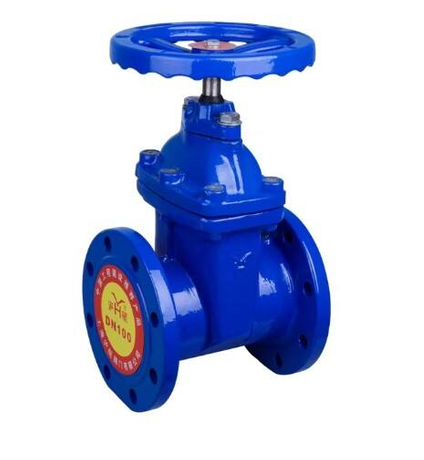
Butterfly valves offer significant advantages over gate valves in large-diameter applications primarily due to their compact design and lighter weight. A large-diameter gate valve requires substantial space for the gate mechanism and creates higher installation and maintenance costs. The butterfly valve's quarter-turn operation and wafer-body design eliminate the need for extensive valve bonnets and reduce material requirements, making them more economical and practical for large pipeline installations where space and weight are critical considerations.
How do butterfly valves handle high-pressure applications in large-diameter systems
Modern butterfly valves incorporate advanced design features that enable reliable operation in high-pressure, large-diameter applications. The disc design distributes pressure loads efficiently across the valve structure, while high-performance sealing systems maintain integrity under demanding conditions. Proper material selection, including high-strength body materials and engineered sealing compounds, ensures that butterfly valves can meet the pressure requirements of large-diameter systems while maintaining their inherent advantages of compact design and operational efficiency.
What maintenance advantages do butterfly valves provide in large-diameter installations
The simplified internal design of butterfly valves provides significant maintenance advantages in large-diameter applications. The accessible shaft and disc assembly enables inspection and maintenance without complete valve removal, reducing downtime and maintenance costs. The predictable wear patterns and fewer moving parts result in longer service intervals compared to more complex valve types. Additionally, the lighter weight of butterfly valve components simplifies handling during maintenance operations, particularly important when dealing with large-diameter valve components that might otherwise require specialized equipment for safe handling.
Can butterfly valves provide adequate shutoff performance in critical large-diameter applications
Modern butterfly valve designs achieve excellent shutoff performance through advanced sealing system engineering and precision manufacturing techniques. High-performance seat designs and properly selected sealing materials enable butterfly valves to meet or exceed industry standards for leakage rates, even in large-diameter applications where sealing perimeter dimensions are substantial. The key to achieving reliable shutoff performance lies in proper valve specification, including appropriate seat design, sealing material selection, and installation procedures that ensure optimal valve alignment and sealing interface integrity throughout the operational lifetime of the installation.