Selecting the right pressure reducing valve requires careful consideration of multiple engineering factors that directly impact system performance, safety, and operational efficiency. Engineers must evaluate various technical specifications, operating conditions, and application requirements to ensure optimal valve selection. The complexity of modern industrial systems demands thorough analysis of pressure requirements, flow characteristics, and environmental conditions before making a final decision. Understanding these critical factors helps prevent costly system failures, reduces maintenance requirements, and ensures long-term reliability in demanding industrial applications.

Understanding Pressure Reducing Valve Fundamentals
Basic Operating Principles
A pressure reducing valve functions as an automatic control device that maintains downstream pressure at a predetermined level regardless of upstream pressure variations. The valve operates through a spring-loaded diaphragm mechanism that responds to pressure changes by adjusting the valve opening position. When downstream pressure exceeds the setpoint, the valve closes partially to reduce flow and maintain proper pressure levels. This self-regulating mechanism ensures consistent system operation without requiring external control signals or power sources.
The internal components of a pressure reducing valve include a main valve body, pilot valve, diaphragm assembly, and control spring. These components work together to provide accurate pressure control across varying flow conditions. Understanding these fundamental operating principles helps engineers select appropriate valve configurations for specific applications. The valve's ability to maintain stable downstream pressure makes it essential for protecting sensitive equipment and ensuring process consistency in industrial systems.
Types and Configurations
Different pressure reducing valve types offer unique advantages for specific applications and operating conditions. Direct-acting valves provide simple, cost-effective pressure control for smaller systems with moderate flow requirements. Pilot-operated valves offer superior accuracy and stability for larger systems requiring precise pressure control over wide flow ranges. Multi-stage configurations provide extremely accurate pressure reduction for applications requiring significant pressure drops while maintaining stable control.
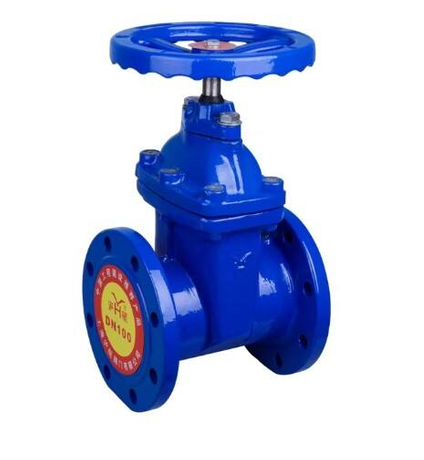
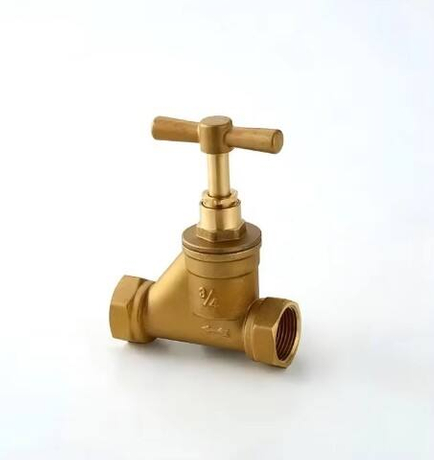
Valve body materials, seat designs, and actuator types significantly influence performance characteristics and application suitability. Bronze, stainless steel, and cast iron body materials offer different corrosion resistance and strength properties. Rubber, metal, and composite seat materials provide varying degrees of sealing performance and durability. Understanding these configuration options enables engineers to match valve characteristics with specific system requirements and operating environments.
Critical Selection Parameters
Pressure Requirements and Capacity
Determining accurate pressure requirements forms the foundation of proper pressure reducing valve selection. Engineers must establish maximum upstream pressure, desired downstream pressure, and acceptable pressure variation tolerances. The valve must handle the maximum expected pressure differential while maintaining stable control throughout the operating range. Oversizing can lead to unstable operation and poor control accuracy, while undersizing may result in insufficient flow capacity or pressure drop performance.
Flow capacity calculations require consideration of maximum, minimum, and normal operating flow rates. The pressure reducing valve must accommodate peak flow demands while providing stable control at minimum flows. Capacity curves and flow coefficients help engineers determine appropriate valve sizes for specific applications. Proper sizing ensures optimal performance across the entire operating envelope while avoiding control instability or excessive pressure drop.
Environmental and Operating Conditions
Operating temperature ranges significantly impact valve material selection and performance characteristics. High-temperature applications require specialized materials and designs to maintain sealing integrity and control accuracy. Low-temperature environments may necessitate special lubricants and materials to prevent freezing or brittle failure. Temperature cycling can affect component longevity and calibration stability, requiring consideration during valve selection and maintenance planning.
Fluid compatibility represents another crucial selection factor that influences material choices and internal component specifications. Corrosive media require specialized materials and protective coatings to prevent degradation and maintain long-term performance. Abrasive fluids may necessitate hardened surfaces and robust internal components to withstand wear and erosion. Chemical compatibility charts and material specifications guide engineers in selecting appropriate valve configurations for specific media types.
Application-Specific Considerations
Industrial Process Requirements
Different industrial processes impose unique requirements on pressure reducing valve performance and reliability. Chemical processing applications often require precise pressure control to maintain reaction conditions and product quality. The valve must provide stable performance despite variations in upstream conditions and flow demands. Material compatibility with process chemicals becomes critical to prevent contamination and ensure safety compliance.
Power generation facilities require pressure reducing valve systems that can handle high-pressure, high-temperature conditions while maintaining exceptional reliability. These applications often involve critical safety functions where valve failure could result in significant consequences. Redundant systems and fail-safe designs become important considerations for these demanding applications. Regular testing and maintenance protocols ensure continued reliable operation in these critical environments.
Water and Hydraulic Systems
Water distribution systems require pressure reducing valve solutions that provide consistent pressure control while minimizing water hammer and flow disturbances. Municipal water systems often experience significant pressure variations due to demand fluctuations and elevation changes. The valve must accommodate these variations while maintaining stable downstream pressure for consumer protection and system integrity. Proper installation and maintenance procedures ensure long-term reliable operation.
Hydraulic control systems demand precise pressure regulation to ensure accurate equipment operation and prevent component damage. High-pressure hydraulic systems require robust valve construction capable of handling significant pressure differentials. The pressure reducing valve must provide rapid response to pressure changes while maintaining stable control under varying load conditions. Filtration requirements and contamination sensitivity influence valve selection and system design considerations.
Performance and Reliability Factors
Control Accuracy and Stability
Control accuracy requirements vary significantly across different applications and directly influence pressure reducing valve selection criteria. Precision manufacturing processes may require pressure control within narrow tolerances to maintain product quality and consistency. Less critical applications may accept broader control bands in exchange for lower costs and simplified maintenance requirements. Understanding accuracy requirements helps engineers select appropriate valve technologies and configurations.
Stability characteristics become particularly important in systems with varying flow conditions or upstream pressure fluctuations. The pressure reducing valve must provide consistent downstream pressure despite these disturbances. Pilot-operated designs typically offer superior stability compared to direct-acting valves for demanding applications. Proper sizing and installation practices significantly impact control stability and overall system performance.
Maintenance and Service Life
Maintenance requirements directly impact total cost of ownership and system availability for pressure reducing valve applications. Valve designs with accessible internal components and standardized replacement parts reduce maintenance time and costs. Modular construction allows selective component replacement without complete valve removal. Understanding maintenance requirements helps engineers select appropriate valve technologies for specific operational constraints and budget considerations.
Service life expectations depend on operating conditions, fluid characteristics, and maintenance practices. Harsh environments and corrosive media typically reduce valve life and increase maintenance frequency. High-quality materials and robust designs extend service life but increase initial costs. Engineers must balance initial investment against long-term operating costs when selecting pressure reducing valve solutions for specific applications.
Installation and Integration Considerations
System Integration Requirements
Proper integration of pressure reducing valve systems requires careful consideration of piping layout, support structures, and accessibility requirements. Valve orientation and mounting position affect performance characteristics and maintenance accessibility. Adequate clearance around the valve ensures proper operation and facilitates future service activities. Pipe stress and thermal expansion considerations prevent damage to valve components and maintain sealing integrity.
Control system integration may require additional instrumentation and monitoring equipment to ensure optimal performance. Pressure gauges, temperature sensors, and flow meters provide valuable operational feedback and diagnostic information. Remote monitoring capabilities enable predictive maintenance strategies and system optimization. Understanding integration requirements helps engineers design comprehensive pressure control solutions that meet operational and maintenance objectives.
Safety and Code Compliance
Safety considerations play a critical role in pressure reducing valve selection and application. Overpressure protection devices may be required to prevent system damage in case of valve failure. Relief valves, rupture discs, and other protective devices provide backup protection for critical applications. Understanding safety requirements and code compliance obligations ensures proper system design and regulatory approval.
Industry standards and regulations govern pressure reducing valve applications in many sectors. ASME, API, and other standards specify design, testing, and performance requirements for different applications. Compliance with these standards ensures safe operation and regulatory acceptance. Engineers must understand applicable codes and standards when selecting and specifying pressure reducing valve systems for specific applications.
Advanced Technologies and Features
Smart Valve Technologies
Modern pressure reducing valve technologies incorporate advanced features that enhance performance, reliability, and maintainability. Electronic control systems provide precise pressure regulation and remote monitoring capabilities. These smart valves can communicate with plant control systems and provide real-time operational data. Predictive maintenance algorithms analyze valve performance and predict potential failures before they occur.
Diagnostic capabilities built into advanced pressure reducing valve systems provide valuable insights into system performance and component condition. Vibration monitoring, temperature sensing, and position feedback help identify developing problems before they affect system operation. These features enable condition-based maintenance strategies that reduce costs and improve reliability. Understanding available technology options helps engineers select appropriate valve solutions for specific operational requirements.
Energy Efficiency Considerations
Energy efficiency has become increasingly important in pressure reducing valve selection and application. Efficient valve designs minimize pressure drop and energy losses while maintaining control accuracy. Variable geometry designs adapt to changing flow conditions to optimize efficiency across the operating range. These features reduce operating costs and environmental impact while maintaining required performance levels.
Energy recovery systems integrated with pressure reducing valve installations can capture and utilize excess pressure energy. Turbine generators and other recovery devices convert pressure energy into useful electrical power. These systems provide significant energy savings for applications with substantial pressure reduction requirements. Understanding energy efficiency options helps engineers develop cost-effective and environmentally responsible pressure control solutions.
FAQ
How do I determine the correct size for a pressure reducing valve
Determining the correct pressure reducing valve size requires calculating the required flow coefficient based on maximum flow rate, pressure drop, and fluid properties. Use manufacturer sizing charts and software tools to select appropriate valve sizes. Consider both maximum and minimum flow conditions to ensure stable control throughout the operating range. Oversizing can cause control instability, while undersizing may limit system capacity or create excessive pressure drop.
What maintenance is typically required for pressure reducing valves
Regular maintenance for pressure reducing valve systems includes periodic inspection of diaphragms, seals, and control springs for wear or damage. Clean or replace strainers and filters to prevent contamination-related problems. Calibrate control settings annually or as recommended by the manufacturer. Monitor system performance through pressure measurements and adjust settings as needed. Replace worn components promptly to prevent system failures and maintain optimal performance.
Can pressure reducing valves handle corrosive fluids
Many pressure reducing valve designs can handle corrosive fluids when constructed with appropriate materials and protective coatings. Stainless steel, Hastelloy, and other corrosion-resistant alloys provide excellent chemical compatibility. Special elastomer compounds resist degradation from aggressive chemicals. Consult material compatibility charts and manufacturer recommendations when selecting valves for corrosive service. Regular inspection and maintenance become more critical in these demanding applications.
What factors affect pressure reducing valve accuracy
Several factors influence pressure reducing valve accuracy including valve type, sizing, installation quality, and operating conditions. Pilot-operated valves typically provide better accuracy than direct-acting designs. Proper sizing ensures stable operation across the flow range. Installation factors such as pipe stress, vibration, and temperature cycling affect performance. Regular calibration and maintenance preserve accuracy over time. Understanding these factors helps engineers select and maintain valves for optimal control performance.