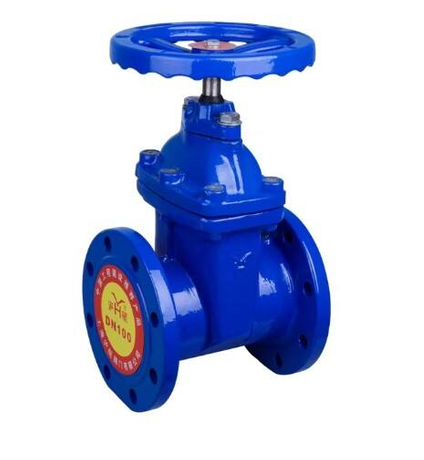
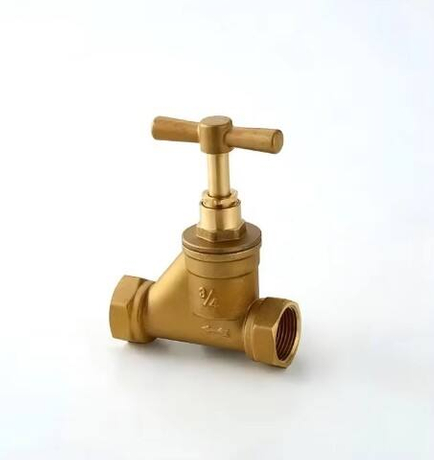
Modern infrastructure systems depend heavily on efficient water management, where the water supply and drainage valve serves as a critical component ensuring optimal performance and longevity. These specialized valves control water flow in complex networks, preventing system failures and maintaining consistent pressure levels throughout residential, commercial, and industrial applications. Understanding how these valves enhance system reliability requires examining their design principles, operational mechanisms, and integration within broader water management frameworks.

The fundamental role of a water supply and drainage valve extends beyond simple flow control, encompassing pressure regulation, backflow prevention, and system protection mechanisms. Engineering teams rely on these valves to maintain hydraulic balance while preventing catastrophic failures that could compromise entire distribution networks. Advanced valve technologies incorporate remote monitoring capabilities, automated response systems, and predictive maintenance features that significantly reduce operational risks.
System reliability improvements through proper valve selection directly impact operational costs, maintenance schedules, and service continuity. Water utilities and facility managers recognize that investing in high-quality water supply and drainage valve solutions generates substantial long-term benefits including reduced downtime, lower repair expenses, and enhanced customer satisfaction. The strategic deployment of these valves creates resilient infrastructure capable of withstanding varying demand patterns and environmental challenges.
Core Valve Technologies for Enhanced System Performance
Advanced Flow Control Mechanisms
Contemporary water supply and drainage valve designs incorporate sophisticated flow control technologies that respond dynamically to changing system conditions. These mechanisms utilize precise actuators, sensor feedback systems, and programmable logic controllers to maintain optimal flow rates regardless of external pressure variations. Engineering specifications focus on materials that resist corrosion, cavitation, and thermal stress while delivering consistent performance across extended operational periods.
Flow control precision directly influences system reliability by preventing water hammer, pressure surges, and flow reversals that damage downstream equipment. The water supply and drainage valve selection process must consider factors including fluid velocity, temperature ranges, chemical compatibility, and maintenance accessibility. Modern valve assemblies feature modular designs that facilitate component replacement without complete system shutdown, reducing maintenance-related disruptions.
Pressure Regulation and Stability Features
Pressure regulation capabilities within water supply and drainage valve systems ensure consistent delivery pressures while protecting infrastructure from overpressure conditions. These valves incorporate spring-loaded mechanisms, diaphragm assemblies, and electronic controls that automatically adjust to maintain predetermined pressure setpoints. Reliability improvements result from eliminating pressure fluctuations that stress pipe joints, fittings, and connected equipment throughout the distribution network.
Advanced pressure regulation features include bypass circuits, relief functions, and fail-safe mechanisms that prevent system damage during abnormal operating conditions. The integration of pressure monitoring systems with valve controls enables predictive maintenance scheduling based on actual performance data rather than time-based intervals. This approach optimizes maintenance resources while maximizing system uptime and operational reliability.
Integration Strategies for Comprehensive Water Management
Network Compatibility and Standardization
Successful water supply and drainage valve integration requires adherence to industry standards that ensure compatibility across different system components and manufacturers. Standardized connection interfaces, control protocols, and performance specifications facilitate seamless integration while providing flexibility for future system expansions. Network compatibility considerations include communication protocols, power requirements, and installation procedures that minimize disruption to existing operations.
The standardization approach extends to valve sizing, mounting configurations, and maintenance procedures that enable efficient workforce training and inventory management. Water system operators benefit from reduced complexity when multiple valve types share common operational characteristics and service requirements. This standardization strategy particularly benefits large-scale installations where consistency across valve populations improves overall system reliability and reduces operational complexity.
Monitoring and Control System Integration
Modern water supply and drainage valve systems integrate seamlessly with supervisory control and data acquisition systems that provide real-time monitoring and automated response capabilities. These integrated solutions enable operators to track valve performance, identify developing issues, and implement corrective actions before failures occur. Remote monitoring capabilities reduce the need for physical inspections while providing comprehensive data for performance optimization and predictive maintenance planning.
Control system integration encompasses alarm management, data logging, and trend analysis functions that support informed decision-making regarding system operations and maintenance priorities. The ability to remotely operate water supply and drainage valve assemblies during emergency conditions significantly improves system resilience and reduces response times during critical situations.
Maintenance Optimization and Reliability Enhancement
Predictive Maintenance Methodologies
Predictive maintenance approaches for water supply and drainage valve systems utilize advanced monitoring technologies to assess component condition and predict failure probability. Vibration analysis, thermal imaging, and performance trending identify developing issues before they compromise system reliability. These methodologies enable maintenance teams to schedule interventions during planned outages rather than responding to emergency failures that disrupt service delivery.
Data-driven maintenance strategies optimize resource allocation by focusing efforts on valves showing signs of degradation while avoiding unnecessary interventions on properly functioning equipment. The implementation of condition-based maintenance protocols for water supply and drainage valve populations results in significant cost savings and improved system availability compared to traditional time-based maintenance approaches.
Component Lifecycle Management
Effective lifecycle management for water supply and drainage valve components involves tracking performance history, maintenance records, and replacement schedules to optimize system reliability. Asset management systems maintain comprehensive databases that support informed decisions regarding repair versus replacement options based on actual component condition and remaining service life. This approach maximizes return on investment while minimizing the risk of unexpected failures.
Lifecycle management strategies include spare parts inventory optimization, vendor performance evaluation, and technology upgrade planning that ensure continuous system improvement. The water supply and drainage valve selection process benefits from historical performance data that identifies optimal configurations for specific applications and operating conditions.
Performance Optimization in Diverse Applications
Municipal Water Distribution Systems
Municipal water distribution networks rely on strategically placed water supply and drainage valve assemblies to maintain service pressure while accommodating varying demand patterns throughout different zones. These systems require valves capable of handling large flow volumes while providing precise control during peak demand periods and low-usage intervals. Reliability considerations include redundant control systems, emergency override capabilities, and rapid response mechanisms for system isolation during maintenance or emergency conditions.
The complexity of municipal systems demands water supply and drainage valve solutions that integrate with existing infrastructure while providing enhanced functionality and improved reliability. Valve placement strategies consider factors including network hydraulics, service area characteristics, and maintenance accessibility to optimize system performance and minimize operational disruptions.
Industrial Process Applications
Industrial facilities utilize water supply and drainage valve systems for cooling towers, process equipment, and safety systems that require precise flow control and rapid response capabilities. These applications often involve aggressive chemical environments, elevated temperatures, and continuous operation requirements that demand robust valve designs and specialized materials. Reliability improvements focus on reducing unplanned downtime and maintaining consistent process conditions.
Process integration requirements for water supply and drainage valve systems include automated control interfaces, alarm systems, and safety interlocks that protect equipment and personnel during abnormal operating conditions. The selection criteria emphasize durability, maintainability, and compatibility with existing process control systems to ensure seamless integration and optimal performance.
Economic Benefits and Cost Optimization
Operational Cost Reduction Strategies
Investment in high-quality water supply and drainage valve systems generates substantial operational cost savings through reduced maintenance requirements, improved energy efficiency, and extended service intervals. Energy optimization results from precise flow control that eliminates unnecessary pumping and pressure losses throughout the distribution network. These savings compound over the valve lifecycle, providing significant return on investment for well-designed systems.
Cost reduction strategies include bulk purchasing programs, standardized specifications, and vendor partnership agreements that reduce procurement costs while ensuring consistent quality standards. The water supply and drainage valve selection process considers total cost of ownership including installation, maintenance, and replacement expenses rather than initial purchase price alone.
Risk Mitigation and Insurance Considerations
Reliable water supply and drainage valve systems reduce insurance premiums and liability exposure by minimizing the risk of system failures that could cause property damage or service interruptions. Risk mitigation strategies include redundant valve installations, emergency response procedures, and comprehensive monitoring systems that detect potential issues before they escalate into costly failures. Insurance providers recognize the value of proactive risk management and often provide premium reductions for facilities with documented reliability improvement programs.
The documentation of water supply and drainage valve performance history supports insurance claims processing and demonstrates due diligence in system maintenance and operation. Comprehensive records including maintenance logs, performance data, and failure analysis reports provide valuable evidence for liability protection and regulatory compliance requirements.
FAQ
What factors determine the optimal water supply and drainage valve selection for specific applications
Optimal valve selection depends on several critical factors including flow rate requirements, pressure ratings, fluid characteristics, and environmental conditions. Engineers must consider pipe size compatibility, connection types, and installation constraints while evaluating materials that resist corrosion and wear in the specific application environment. Operating temperature ranges, chemical compatibility, and maintenance accessibility also influence selection decisions to ensure long-term reliability and performance.
How do modern valve monitoring systems improve reliability compared to traditional approaches
Modern monitoring systems provide real-time performance data, predictive failure analysis, and automated response capabilities that significantly exceed traditional inspection-based approaches. These systems continuously track valve position, flow rates, pressure differentials, and vibration patterns to identify developing issues before they cause failures. Remote monitoring capabilities enable immediate response to abnormal conditions while reducing the need for routine physical inspections, resulting in improved reliability and reduced maintenance costs.
What maintenance intervals are recommended for water supply and drainage valve systems
Maintenance intervals vary based on application severity, operating conditions, and valve design characteristics, but typically range from quarterly inspections for critical applications to annual service for standard installations. Condition-based maintenance approaches using performance monitoring data provide more accurate scheduling than fixed intervals. Factors influencing maintenance frequency include fluid quality, pressure cycling, temperature variations, and duty cycle intensity, with some high-performance valves operating reliably for multiple years between major services.
How do valve failures impact overall system reliability and what prevention strategies are most effective
Valve failures can cascade through water systems causing pressure fluctuations, flow interruptions, and equipment damage that affects multiple users and processes. Prevention strategies focus on redundant valve installations, comprehensive monitoring systems, and proactive maintenance programs that address issues before failures occur. The most effective approaches combine quality valve selection, proper installation procedures, regular performance monitoring, and documented maintenance protocols that ensure consistent system operation and rapid problem resolution.