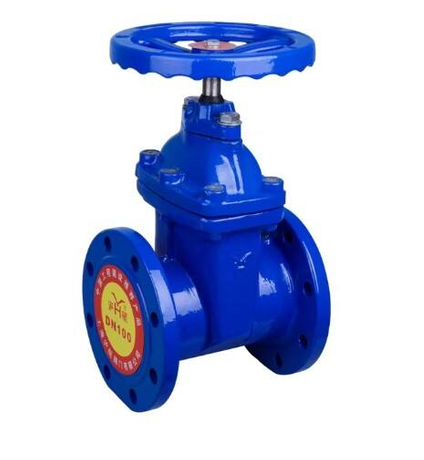
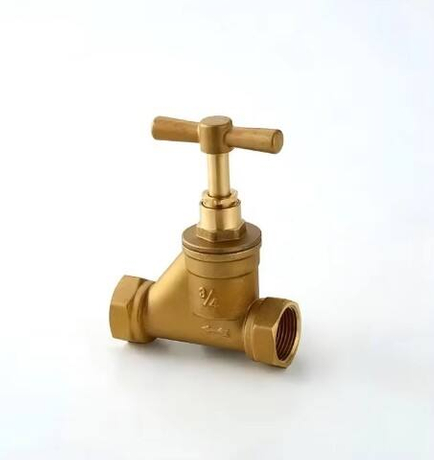
Industrial flow control systems demand reliable, efficient, and cost-effective valve solutions that can handle diverse operating conditions while maintaining optimal performance. Among the various valve types available in today's market, butterfly valves have emerged as the preferred choice for water treatment facilities and HVAC systems worldwide. These versatile flow control devices offer unique advantages that make them particularly suitable for applications requiring precise flow regulation, minimal pressure drop, and space-efficient installation. The growing adoption of butterfly valves across industries reflects their ability to deliver consistent performance while reducing operational costs and maintenance requirements.

Understanding Butterfly Valve Design and Operation
Core Components and Mechanism
The fundamental design of a butterfly valve centers around a circular disc positioned perpendicular to the flow path when in the closed position. This disc, connected to a rotating shaft, serves as the primary flow control element that can be turned 90 degrees to transition from fully closed to fully open. The valve body typically features a circular or rectangular cross-section that houses the disc and provides connection points for pipeline integration. When the disc rotates to its open position, it aligns parallel to the flow direction, creating minimal obstruction and allowing maximum fluid passage through the valve.
The sealing mechanism in butterfly valves relies on the interaction between the disc edge and the valve seat, which is often lined with elastomeric materials such as EPDM, Viton, or PTFE. This design ensures effective shut-off capabilities while maintaining flexibility across different temperature and pressure ranges. The shaft configuration can vary between concentric and eccentric designs, with eccentric arrangements providing enhanced sealing performance and reduced wear over extended operating cycles. Modern butterfly valve designs incorporate advanced materials and precision manufacturing techniques to achieve tight shut-off tolerances and extended service life.
Actuation Methods and Control Options
Butterfly valves can be operated through various actuation methods, ranging from manual hand wheels to sophisticated automated control systems. Manual operation suits applications where periodic adjustment suffices, while automated systems excel in processes requiring frequent or remote valve positioning. Electric actuators provide precise positioning control and can integrate seamlessly with building management systems or industrial control networks. Pneumatic actuators offer rapid response times and fail-safe capabilities, making them ideal for emergency shutdown applications or processes requiring quick flow adjustments.
The selection of actuation method depends on factors such as required torque, operating frequency, environmental conditions, and integration requirements with existing control systems. Smart actuators equipped with position feedback sensors and communication capabilities enable real-time monitoring and diagnostic functions that enhance system reliability and predictive maintenance programs. These advanced control options allow operators to optimize valve performance while reducing energy consumption and extending equipment lifespan through intelligent operation strategies.
Advantages in Water Treatment Applications
Flow Control and Efficiency Benefits
Water treatment facilities rely on precise flow control to maintain optimal process conditions throughout various treatment stages, from initial filtration to final disinfection. Butterfly valves excel in these applications due to their ability to provide smooth, gradual flow modulation with minimal turbulence generation. The streamlined flow path created when the valve is fully open results in extremely low pressure drop, which translates to reduced pumping energy requirements and lower operational costs. This characteristic becomes particularly valuable in large-scale water treatment plants where even small pressure losses can significantly impact overall system efficiency and energy consumption.
The quarter-turn operation of butterfly valves enables rapid response to changing process conditions, allowing operators to quickly adjust flow rates in response to demand fluctuations or quality parameters. This responsiveness proves crucial during peak demand periods or emergency situations where immediate flow adjustments are necessary to maintain water quality standards. Additionally, the precise positioning capabilities of modern Butterfly Valve systems allow for fine-tuning of treatment processes to optimize chemical dosing and contact times while minimizing waste generation.
Durability and Maintenance Considerations
The robust construction of butterfly valves makes them particularly well-suited for the demanding conditions encountered in water treatment environments. Exposure to chemicals, varying pH levels, and suspended solids requires valve materials that can withstand corrosion and erosion while maintaining reliable sealing performance. Modern butterfly valve designs incorporate corrosion-resistant materials such as stainless steel, duplex alloys, or specialized coatings that provide long-term protection against aggressive media. The simple internal geometry reduces the number of potential failure points and facilitates thorough cleaning procedures essential for maintaining water quality standards.
Maintenance requirements for butterfly valves in water treatment applications are generally minimal compared to other valve types, primarily involving periodic inspection of sealing surfaces and actuator components. The accessible design allows for visual inspection of critical components without complete valve removal, enabling condition-based maintenance strategies that reduce downtime and maintenance costs. When replacement of sealing elements becomes necessary, the modular construction of most butterfly valves permits component replacement without extensive pipeline modifications, minimizing service interruptions and associated costs.
HVAC System Integration and Performance
Space Efficiency and Installation Benefits
HVAC systems often operate within confined spaces where equipment footprint becomes a critical design consideration, particularly in commercial buildings and industrial facilities with space constraints. Butterfly valves offer significant advantages in these applications due to their compact design and minimal face-to-face dimensions compared to gate or globe valves of equivalent size. The short body length allows for installation in tight spaces while maintaining full functionality and accessibility for maintenance operations. This space efficiency becomes increasingly important as building designs prioritize usable space and mechanical rooms become more compact.
The lightweight construction of butterfly valves reduces structural loading requirements and simplifies installation procedures, particularly in elevated applications or retrofit projects where weight considerations are paramount. Installation can typically be accomplished with standard flanged, wafer, or lug-style connections that integrate seamlessly with existing piping systems. The symmetrical design eliminates directional flow considerations, providing flexibility in installation orientation and reducing the potential for installation errors that could compromise system performance.
Temperature and Pressure Handling Capabilities
HVAC applications encompass a wide range of operating conditions, from chilled water systems operating near freezing temperatures to hot water heating circuits that may reach temperatures exceeding 200°F. Butterfly valves demonstrate excellent performance across these temperature ranges when equipped with appropriate seat materials and thermal compensation features. The thermal expansion characteristics of the disc and body materials are carefully matched to maintain sealing integrity throughout thermal cycling, preventing leakage that could compromise system efficiency or cause property damage.
Pressure handling capabilities of modern butterfly valves extend well beyond typical HVAC system requirements, providing safety margins that ensure reliable operation under transient conditions such as water hammer or pressure surges. The structural integrity of the valve body and disc assembly can withstand these dynamic loading conditions while maintaining dimensional stability and sealing performance. Advanced butterfly valve designs incorporate features such as blowout-proof stems and fire-safe construction that enhance safety and reliability in critical applications.
Economic and Operational Advantages
Cost-Effectiveness and Return on Investment
The initial procurement cost of butterfly valves typically represents a fraction of the expense associated with equivalent-sized gate or ball valves, making them an attractive option for budget-conscious projects without compromising performance requirements. This cost advantage stems from the simplified manufacturing process and reduced material requirements inherent in butterfly valve construction. The economic benefits extend beyond initial purchase price to include reduced installation labor costs due to lighter weight and simplified connection methods.
Operational cost savings accumulate over the valve's service life through reduced energy consumption resulting from minimal pressure drop characteristics. In large HVAC systems or water treatment facilities, these energy savings can amount to thousands of dollars annually per valve, creating a compelling return on investment that justifies the selection of high-quality butterfly valve solutions. The extended service life achievable with proper material selection and maintenance practices further enhances the economic value proposition by deferring replacement costs and reducing lifecycle expenses.
System Reliability and Performance Optimization
The inherent reliability of butterfly valve designs contributes to improved overall system performance through reduced maintenance interventions and enhanced uptime. The simple operating mechanism with fewer moving parts translates to lower failure rates and more predictable maintenance schedules compared to complex multi-component valve designs. This reliability becomes particularly valuable in critical applications where valve failure could result in system shutdown or compromise safety systems.
Performance optimization opportunities arise from the precise flow control capabilities offered by modern butterfly valve systems equipped with advanced positioners and control algorithms. These systems can automatically adjust valve position based on real-time system feedback to maintain optimal flow conditions while minimizing energy consumption. The integration capabilities with building management systems enable coordinated control strategies that optimize overall system performance beyond what is achievable with individual component control.
Selection Criteria and Best Practices
Material Selection and Specification Guidelines
Proper material selection forms the foundation of successful butterfly valve application in water treatment and HVAC systems. The valve body material must provide adequate strength and corrosion resistance for the intended service conditions while maintaining dimensional stability throughout the expected temperature range. Cast iron or ductile iron bodies suit many water applications, while stainless steel construction offers superior corrosion resistance for aggressive media or high-purity applications. The disc material selection should consider both mechanical properties and chemical compatibility with the process fluid.
Seat material selection requires careful consideration of temperature range, chemical compatibility, and sealing performance requirements. EPDM seats provide excellent performance in water applications with moderate temperature ranges, while PTFE-lined seats offer superior chemical resistance and temperature capabilities. The shaft and bearing materials must provide reliable operation throughout the expected service life while resisting corrosion and wear from repeated operation cycles. Consideration of fire-safe requirements may mandate specific material selections or design features depending on applicable codes and standards.
Sizing and Performance Considerations
Accurate sizing of butterfly valves requires comprehensive analysis of flow requirements, pressure drop limitations, and control characteristics to ensure optimal system performance. The valve flow coefficient and inherent flow characteristics must align with system requirements to provide adequate control authority while avoiding oversizing that could lead to instability or poor control performance. Consideration of cavitation potential in liquid applications requires analysis of downstream pressure conditions and fluid properties to prevent damage and ensure reliable operation.
Installation considerations include proper orientation for drainage, accessibility for maintenance operations, and clearance requirements for actuator operation. The valve should be positioned to facilitate natural drainage and prevent accumulation of debris or sediment that could interfere with proper seating. Support requirements for large valves or heavy actuator combinations must be addressed during system design to prevent pipeline stress or misalignment that could compromise valve performance or create safety hazards.
FAQ
What maintenance is required for butterfly valves in water treatment systems
Butterfly valves in water treatment applications require minimal routine maintenance, primarily consisting of periodic inspection of sealing surfaces, actuator components, and position indicators. Visual inspection should occur quarterly to check for signs of corrosion, seat wear, or actuator malfunction. Annual maintenance typically includes lubrication of actuator components, calibration verification of position feedback systems, and inspection of electrical connections for automated valves. The seat and disc should be inspected annually for wear or damage, with replacement intervals varying based on operating frequency and media characteristics.
How do butterfly valves compare to ball valves in HVAC applications
Butterfly valves offer several advantages over ball valves in HVAC applications, including lower cost, reduced weight, and minimal pressure drop when fully open. Ball valves provide superior shut-off capabilities and may offer better throttling characteristics in some applications, but typically cost significantly more and require more space for installation. Butterfly valves excel in large diameter applications where the cost and size advantages become more pronounced, while ball valves may be preferred for smaller sizes or applications requiring exceptional sealing performance.
Can butterfly valves handle high-pressure applications in water systems
Modern butterfly valves can handle substantial pressure ratings when properly designed and manufactured for high-pressure service. High-performance butterfly valves with metal-seated designs can operate at pressures exceeding 1000 PSI in water applications, while elastomer-seated designs typically handle pressures up to 250 PSI effectively. The pressure capability depends on valve size, construction materials, seat design, and temperature conditions. Proper selection requires careful evaluation of maximum operating pressure, pressure surges, and safety factor requirements specific to the application.
What are the key factors affecting butterfly valve service life
Service life of butterfly valves depends primarily on operating frequency, media characteristics, temperature cycling, and maintenance practices. Valves operating in clean water with infrequent operation may achieve service lives exceeding 20 years, while those in frequent cycling applications or aggressive media may require component replacement every 5-10 years. Proper material selection, correct sizing, and adherence to recommended maintenance schedules significantly extend service life. Environmental factors such as temperature extremes, chemical exposure, and mechanical vibration also influence longevity and should be considered during valve selection and installation.